American British English Translator
AI-based localization of written American English to British English or back, adjusting spelling and common vocabulary while preserving names and quotations.
0 / 500 characters
Examples
Examples use short neutral sentences. AI outputs are illustrative, not guaranteed; names and quotations are left unchanged.
English
The color of the elevator is gray.
Translation
The colour of the lift is grey.
American to British: spelling and vocabulary.
English
She put the garbage in the trash can.
Translation
She put the rubbish in the bin.
American to British: common noun changes.
English
He is on vacation and bought a new truck.
Translation
He is on holiday and bought a new lorry.
American to British: leisure and vehicle terms.
English
I need to top up my mobile before the journey.
Translation
I need to add minutes to my cell phone before the trip.
British to American: mobile and trip terms.
English
The flat is in a quiet neighbourhood.
Translation
The apartment is in a quiet neighborhood.
British to American: housing and spelling.
English
Please send the parcel to the postcode on the form.
Translation
Please send the package to the zip code on the form.
British to American: mailing terms.
Understand this tool
Spelling is not the only difference
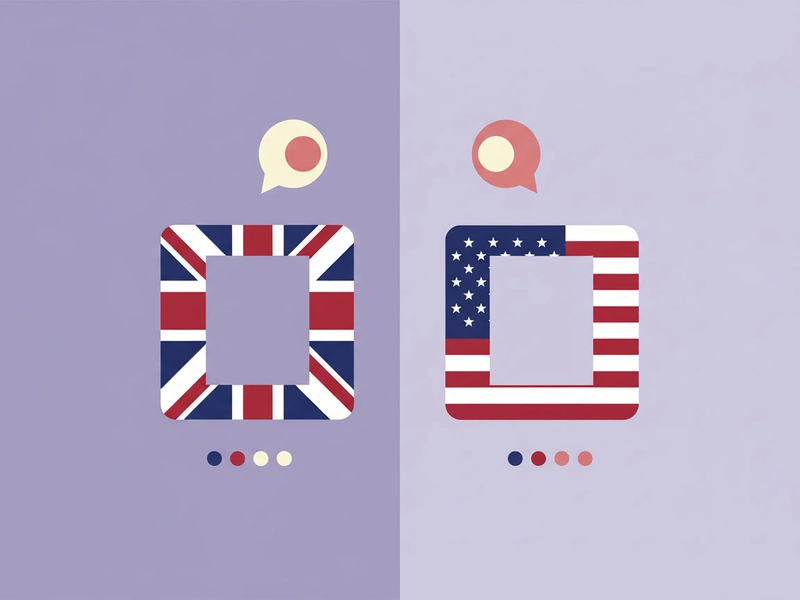
American and British English differ in spelling, vocabulary, and some grammar. This tool focuses on written localization: it changes common spelling and vocabulary, but it should not rewrite names, direct quotations, or specialized terminology unless you ask.
Text parts and request count
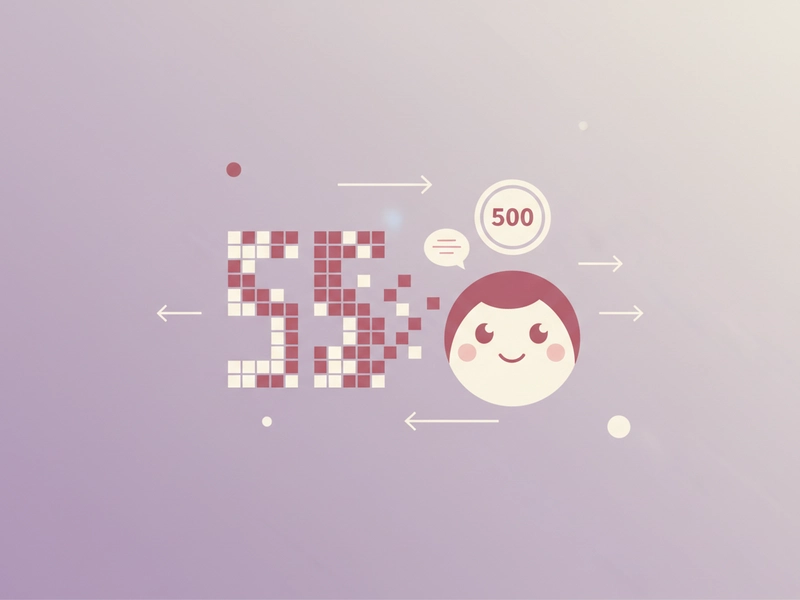
When AI translation is used, text is sent in parts of 500 characters or fewer. Each successful request uses one daily free translation or 1 credit. Before a file starts, the page shows the request count so you can estimate usage.
Reference guide
| Input | Rule | Result |
|---|---|---|
| color | American -or often maps to British -our | colour |
| center | American -er often maps to British -re | centre |
| traveling | American single-l often maps to British double-l | travelling |
Spelling patterns
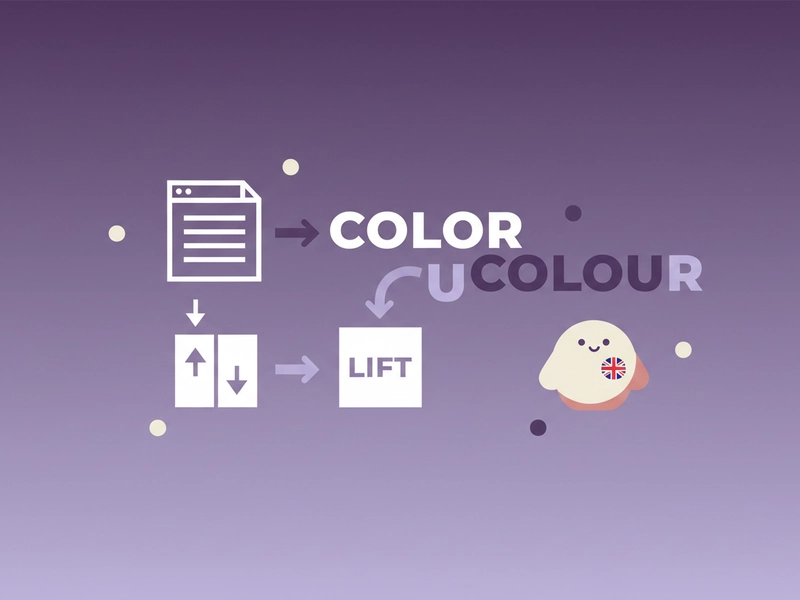
Spelling differences are regular but not universal. This table shows common American to British patterns. The tool also handles reverse direction, so British forms can return to American forms. Some words accept both variants, and proper nouns or quoted text should remain as written.
Vocabulary differences
Vocabulary varies by region and context. This tool maps common American terms to British terms and back, but not every word has a single equivalent. Review results for industry terms, brand names, and local usage. Names and quotations are kept unchanged.
| Input | Rule | Result |
|---|---|---|
| elevator | American term maps to common British term | lift |
| apartment | American term maps to common British term | flat |
| sidewalk | American term maps to common British term | pavement |
Ways to use this tool
UK blog localisation
You have an American-style blog post and want a UK edition. Use the tool to change spellings like color to colour and terms like elevator to lift. Keep product names, author names, and quoted interviews unchanged, then manually check brand and legal wording before publishing.
Support macros for UK customers
Customer support teams often reuse American macros. Convert phrases such as trash can to bin or vacation to holiday for UK readers. Preserve ticket IDs, customer names, and quoted messages. Review each macro because some technical terms may be better left unchanged or explained before sending.
Classroom vocabulary comparison
Teachers can prepare short American and British English examples for vocabulary lessons. Enter a sentence, compare the localized result, and discuss why terms differ. Keep literary quotations unchanged. Use the example and Clear buttons to run several quick demonstrations without saving student data in class.

British to American manuscript notes
A writer has British-style notes and wants American spelling for a US draft. Convert words like neighbourhood to neighborhood and flat to apartment. Keep character names, titles, and direct quotations unchanged. Review dialect, slang, and historical terms manually, since context can change meaning before submission.
What you can do
Explore the American British English Translator features and supported options.
Two-way localisation
Enter American or British English and localize to the other variant. The tool adjusts common spelling and vocabulary while preserving names and quotations. It handles one text request up to 500 characters per AI request.
Local file parsing
Files are parsed locally. Limits include 5 MB per file, 30 MB expanded archives, 50 PDF pages, and 20,000 characters of translation text. PDFs need selectable text; image OCR returns text only.
Stop and resume
Stop a running file translation and resume within the same session. Before starting, the page displays the request count. Each successful AI request uses one daily free translation or 1 credit.
Copy, download, example, reset
Use copy or download to keep the result. Load the sample with example, and clear fields with reset. Image OCR outputs text only; no image editing is provided. JSON with ICU plural/select is rejected.
Frequently asked questions
Related tools
Klingon Translator
Draft English to Klingon using attested vocabulary; use [unknown: word] where unsupported. Never invent certainty.
Vulcan TranslatorFan-inspired Vulcan text drafts, not an official or standardized translation. Mark unsupported terms rather than inventing vocabulary.
Sith TranslatorFan-inspired Sith language draft using known vocabulary where possible; mark unknown words. Not an official translation.
Gungan TranslatorRewrite English in a light Gungan-inspired fictional speaking style while preserving meaning.
How to use this tool
Step 1: Enter text or load a file
Type or paste American or British English into the input. Keep names and quotations as you want them. For files, check the displayed request count before starting; files are parsed locally and extracted text is sent in 500-character parts.
Step 2: Run the localization
Click Translate. The tool adjusts common spelling and vocabulary to the other English variant. If the input is empty, the page asks for text. When the request finishes, the result appears in the output box.
Step 3: Review, copy, or download
Check names, quotations, specialized terms, and formatting. Use copy or download to keep the result, example to load sample text, and reset to clear fields. For files, stop and resume within the same session if needed.
Try this tool
Localize a short American or British English text now. Sign in for AI translation, stay within 500 characters per request, and review the result before use.