English to IPA Translator: Convert Text to Phonetic Transcription
Turn short English text into a broad General American IPA draft. Keep the source visible and verify stress, names, homographs, reductions, and dialect-sensitive pronunciation before use.
English
0 / 500
IPA
Translation will appear here...
English to IPA Translator Examples: See It in Action
Explore how our tool handles different scenarios – from casual greetings to tongue twisters. Below are six real examples showing English text turned into IPA symbols. The AI draft may vary, so always double-check.
English
How are you?
Translation
/haʊ ɑɹ ju/
Daily greeting and well wishes
English
I love learning languages.
Translation
/aɪ lʌv ˈlɝnɪŋ ˈlæŋɡwɪdʒɪz/
Expressing personal interests
English
The weather is nice today.
Translation
/ðə ˈwɛðɚ ɪz naɪs təˈdeɪ/
Comment about the weather
English
She sells seashells by the seashore.
Translation
/ʃi sɛlz ˈsiˌʃɛlz baɪ ðə ˈsiˌʃɔɹ/
Classic tongue twister
English
Can I have a coffee?
Translation
/kæn aɪ hæv ə ˈkɔfi/
Ordering at a café
English
The quick brown fox jumps over the lazy dog.
Translation
/ðə kwɪk bɹaʊn fɑks dʒʌmps ˈoʊvɚ ðə ˈleɪzi dɔɡ/
Common pangram (contains all letters)
Fun Facts About the International Phonetic Alphabet
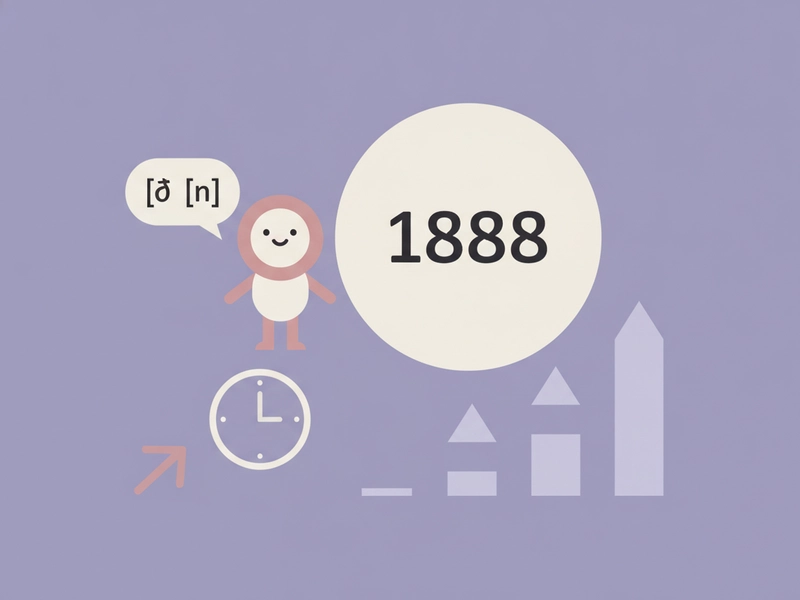
Born in 1888: A Century-Old System
The IPA was introduced in 1888 by the International Phonetic Association and now contains 107 base symbols plus 52 diacritics, such as tone marks and length indicators. These represent more than 800 distinct sounds across human languages, including vowels, consonants, clicks, and tones. It is essential for phoneticians studying speech, speech therapists treating disorders, and language learners acquiring proper pronunciation.
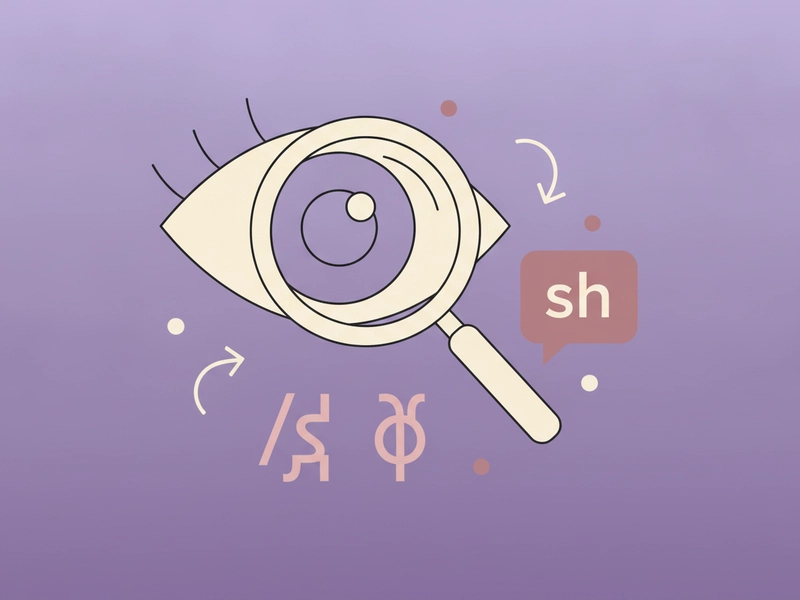
Symbols That Trick Your Eyes
Some IPA symbols look like familiar letters but represent completely different sounds. For example, /ʃ/ looks like an 's' but sounds like 'sh' in 'ship'. The symbol /θ/ looks like a Greek theta but stands for the 'th' sound in 'think'. These visual tricks often surprise new learners and make IPA fascinating to study.
English IPA Reference Tables
| Word | British IPA | American IPA |
|---|---|---|
| schedule | /ˈʃɛdjuːl/ | /ˈskɛdʒuːl/ |
| garage | /ˈɡærɑːʒ/ | /ɡəˈrɑːʒ/ |
| tomato | /təˈmɑːtəʊ/ | /təˈmeɪtoʊ/ |
| water | /ˈwɔːtə/ | /ˈwɔːtər/ |
| dance | /dɑːns/ | /dæns/ |
| herb | /hɜːb/ | /ɜːrb/ |
Common English Words: British vs. American IPA
This table compares IPA transcriptions for the same English word in British (RP) and American (GA) English, highlighting differences such as rhoticity and vowel quality. Understanding these helps learners choose a target accent and recognize regional variations in pronunciation.
IPA Symbol Reference for Non-English Speakers
For non-native English speakers, mapping IPA symbols to familiar sounds can be challenging. This table provides approximate equivalents using Chinese Pinyin and Spanish spellings—for example, the English 'th' sound mapped to similar articulations—to help you start pronouncing English more accurately.
| IPA Symbol | Example English Word | Approximation in Chinese (Pinyin) | Approximation in Spanish |
|---|---|---|---|
| /θ/ | think | sī (齿间音) | c (as in 'cielo') |
| /ð/ | that | dī (齿间音) | d (as in 'dedo') |
| /ʃ/ | ship | shī | sh (as in 'shampú') |
| /ʒ/ | measure | rì (浊) | ll (as in 'lluvia') |
| /ŋ/ | sing | ng | ng (as in 'ángel') |
| /ə/ | about | e (弱) | e (as in 'madre') |
Discover More About English Phonetics
The History of the International Phonetic Alphabet
The International Phonetic Alphabet (IPA) was first published in 1888 by the International Phonetic Association. It was designed to represent the sounds of all human languages in a consistent and precise way. Over the years, the chart has been revised many times, with the latest update in 2015. Today, IPA is used by linguists, language learners, and speech therapists worldwide to transcribe pronunciation accurately.
Why IPA Matters for English Learners
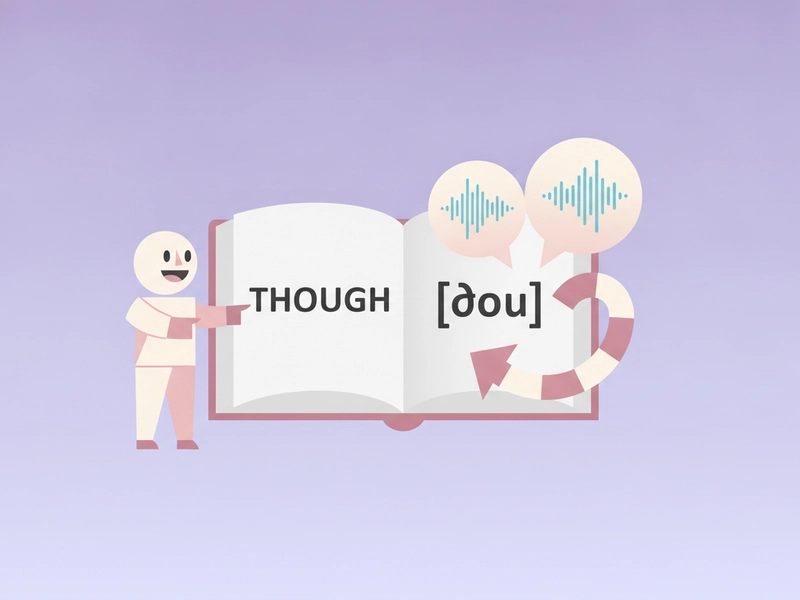
English spelling is notoriously irregular – words like 'though' and 'through' look similar but sound different. IPA solves this by providing a clear symbol for each sound. When you learn the IPA symbols for English, you can look up any word in a dictionary and know exactly how to pronounce it. This is especially helpful for non-native speakers who want to reduce their accent.
Regional Dialects: British vs. American English
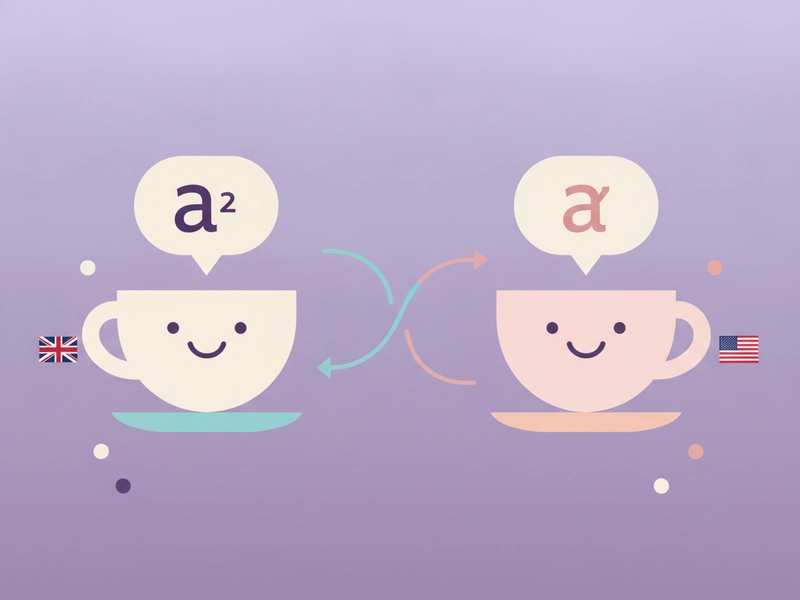
English pronunciation varies greatly between regions. The most common comparison is British Received Pronunciation (RP) and General American (GA). For example, the word 'bath' is pronounced /bɑːθ/ in British English but /bæθ/ in American English. Vowel differences like these are important to recognize. Many IPA translators let you choose between these dialects, helping you study the accent you prefer.
The Schwa: The Most Common English Vowel
The schwa /ə/ is the most common vowel sound in English, appearing in unstressed syllables of nearly every multi-syllable word—like the 'a' in 'about', the 'e' in 'taken', or the schwa in unstressed 'the'. Many learners overlook it, yet fully mastering its use is key for natural rhythm since schwa accounts for about 11% of all English vowel sounds.
Key Features of GuruTrans English to IPA Translator
Two-Panel Workflow
The two-panel layout keeps the English source on the left and the requested IPA draft on the right. Results appear after submission, making it possible to compare stress, word boundaries, punctuation, and each uncertain pronunciation with the original text.
Direction Control
This profile is one-way from English to broad General American IPA. It does not expose an accent selector or reverse IPA-to-English mode, because pronunciation and spelling are not one-to-one and the same symbol sequence may need lexical context.
Copyable Text Output
All IPA output appears as plain text that you can copy with a single click. No images or special formats—just clean phonetic symbols ready to paste into flashcards, documents, or language-learning apps for further study.
Clearly Labeled AI Draft
The transcription is an AI-generated draft. A clear label reminds you that the output may vary and should be reviewed for accuracy, especially with unusual words, proper nouns, or non-standard pronunciations. Users should always verify transcriptions of technical jargon, place names, and uncommon dialects carefully.
Frequently Asked Questions
Have other questions? Feel free to contact us via email.
Explore More Translator Tools
Check out these related translation and AI tools to enhance your experience
How to use english to ipa translator
Follow these three simple steps to convert your English text into IPA symbols using GuruTrans.
Step 1: Enter Text
Type or paste your English text into the input box. You can enter a single word, a sentence, or an entire paragraph. The tool accepts plain text without any special formatting.
Step 2: Translate
Click the 'Translate' button to convert your text. The tool processes the input and displays the IPA transcription on the right panel. Wait a moment for the result to appear.
Step 3: Copy and Use
Copy the IPA output to your clipboard using the copy button. You can paste it into notes, flashcards, or share it with others. The text is ready for study or reference.
Ready to Master Pronunciation? Try GuruTrans English to IPA Translator Now!
Enter a short English passage, request a broad General American IPA draft, and compare it with a pronunciation dictionary or recording. Verify names, homographs, stress, reductions, and regional differences.