Draft Old Norse Wording with Script and Source Boundaries
Use the page for a possible normalized wording, not as a runic inscription generator or manuscript transcription. Old Norse covers related varieties, and editorial normalization can hide differences between surviving witnesses.
English
0 / 500
Old Norse
The text draft will appear here...
Six Small Normalized Reference Forms
These are editorial examples, not live output. The noun forms are normalized citation forms, while the final pair is a short formula; inflection and spelling can change inside a sentence or source edition.
English
a friend
Translation
vinr
A normalized masculine noun citation form
English
a ship
Translation
skip
A normalized neuter noun citation form
English
water
Translation
vatn
A normalized neuter noun form
English
a king
Translation
konungr
A normalized nominative singular form
English
a woman
Translation
kona
A normalized feminine noun citation form
English
I am called...
Translation
Ek heiti...
A short normalized introduction formula
Old Norse Draft Review Tables
| Layer | Question | Evidence to consult |
|---|---|---|
| noun | Which case, number, and gender apply? | declension table and sentence context |
| adjective | Does it agree, and is the form strong or weak? | grammar paradigm |
| verb | Which tense, mood, person, and voice fit? | conjugation and comparable usage |
| word order | What is emphasized in this clause? | edited prose or verse passage |
Grammar Questions Hidden by a Gloss
A dictionary headword is only a starting point; sentence use can require a different form.
Do Not Collapse Four Different Operations
Translation, normalization, manuscript transcription, and runic transliteration answer different questions.
| Operation | Changes | Does not establish |
|---|---|---|
| translation | meaning between languages | one historical spelling |
| normalization | editorial spelling convention | the exact manuscript reading |
| transcription | visible manuscript signs and abbreviations | a modern English meaning |
| runic transliteration | sounds or letters into a rune row | a translation of the phrase |
Four Boundaries That Change an Old Norse Reading
Old Norse Is an Umbrella Label
Old Norse is a catch-all for closely related varieties including Old Icelandic, Old Norwegian, Old Swedish, Old Danish, and Old Gotlandic. Surviving literary material is weighted toward Iceland, so an unlabelled draft should not be assigned to every region.

Normalized Spelling Is Editorial
Many learning materials use normalized spelling intended to represent thirteenth-century Old Icelandic. Original manuscripts can differ from that normalized layer in spelling, abbreviation, date, and scribal practice.
Language and Script Are Separate Questions
Old Norse appears in Latin-alphabet manuscripts and in runic material, but Latin alphabet wording and runes are not equivalent conversions. A Younger Futhark rendering requires sound, spelling, date, and regional decisions beyond translating meaning.
Permanent Use Needs Source-Based Review
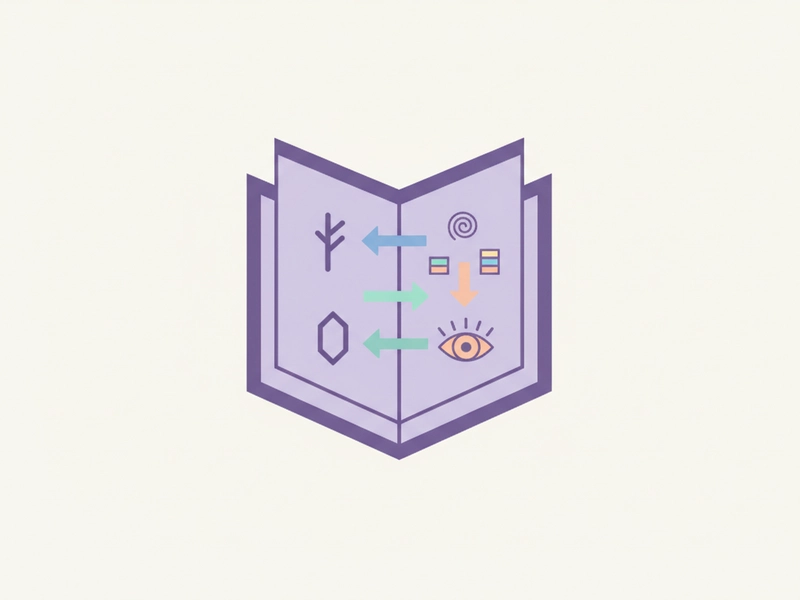
For a permanent inscription or academic citation, identify the intended dialect, period, and script; consult a dictionary, grammar, and edited text; then ask an Old Norse scholar to review the full context.

Current Old Norse Tool Boundaries
These are implemented behaviors and review limits, not claims about historical certainty.
Two Prompt Directions
The direction toggle selects either an English-to-Old-Norse prompt or an Old-Norse-to-modern-English prompt. It does not infer the direction from the source.
Metered Shared Endpoint
The shared API requires sign-in, applies the daily allowance and credit rules, and refunds a consumed request when the provider path fails in handled cases.
Text Draft, Not Runic Layout
The page has no script selector or inscription layout. A normalized Latin-alphabet draft cannot by itself choose a historically situated rune row or spelling.
Source Comparison Is Part of the Task
Case endings, strong and weak forms, syntax, and textual variants need more evidence than an isolated generated result can supply.
Questions about Old Norse Drafts
Answers for the current text workflow and its historical limits.
Explore More Translator Tools
Check out these related translation and AI tools to enhance your experience
How to Generate and Review Old Norse Text
The implemented workflow has one source box, one result box, a direction toggle, Copy, and Reset.
Step 1: Enter a Bounded Text Sample
Use no more than 500 characters. Include the surrounding phrase when a noun case, verb form, pronoun, or intended sense depends on context.
Step 2: Choose the Manual Direction
Toggle between English to Old Norse and Old Norse to English. The page sends a different context prompt for each direction rather than detecting a language automatically.
Step 3: Check the Language Layer
Compare the result with a dictionary, grammar, and edited text. Use Copy only after review, or Reset both fields and the direction to start again.
Generate a Draft, Then Identify Its Language Layer
Use the bounded text form, choose a direction, and compare the result with sources suited to the intended variety, period, and script.