Arabizi Arabic Translator with Two-Way Drafts
With this arabizi arabic translator, you can turn Latin‑script Arabizi into Arabic script. The AI-generated draft can vary, so review before use.
Arabizi
0 / 500
Arabic Script
Translation will appear here...
Arabizi Arabic Translator Examples – See It in Action
These examples illustrate possible drafts for everyday Arabizi greetings and expressions. They are reference samples rather than guaranteed conversions because regional vocabulary and informal spellings vary.
English
7abibi kifak shu akhbarak
Translation
حبيبي كيفك شو أخبارك
Informal greeting among friends
English
inshallah ba2a nshufak bukra
Translation
إن شاء الله بقا نشوفك بكرة
Saying goodbye with hope to meet tomorrow
English
shukran ya3ni ktir 3ala msa3dtek
Translation
شكرا يعني كثير على مساعدتك
Expressing gratitude for help
English
wallah ma3raf shu bta3mel
Translation
والله ما عرف شو بتعمل
Expression of surprise or confusion
English
ana b7ebak 7abib albi
Translation
أنا بحبك حبيب قلبي
Love confession
English
shu hada? hada shi jdid
Translation
شو هاد؟ هاد شي جديد
Asking about something new
Fun Facts About Arabizi
Arabizi Was Born in 90s Chatrooms
Arabizi originated in the 1990s when early chat platforms and mobile phones lacked Arabic keyboard support. Users got creative by typing Arabic sounds with Latin letters and numbers. Because no standard body defined its spelling, the same sound could appear differently across dialects and communities. This grassroots solution spread rapidly and remains common in informal online communication today.

The Secret Number Code
Common Arabizi conventions use numbers for Arabic letters without simple Latin equivalents: 2 can represent hamza, 3 ‘ayn, 6 ṭa, 7 ḥa, and 9 qaf. These mappings are helpful clues rather than a fixed code. Writers may choose letter combinations instead, and the same number can be interpreted differently across regions and communities.

Understanding Arabizi – Key Tables
| Arabizi (Letter/Number) | Arabic Letter | Example (Arabizi → Arabic) | Notes |
|---|---|---|---|
| 2 | ء (hamza) | s2al → سأل | Represented by '2' |
| 3 | ع (ayn) | 3arab → عرب | Deep throat sound |
| 5 | خ (kha) | 5abar → خبر | Scraping sound |
| 6 | ط (ta) | 6ab → طب | Emphatic t |
| 7 | ح (ha) | 7abib → حبيب | Breathy h |
| 8 | غ (ghain) | 8ali → غالي | Guttural g |
| 9 | ق (qaf) | 9alb → قلب | Deep k sound |
Arabizi Letter & Number Mapping
This reference table pairs common Arabizi numbers and letter forms with Arabic script examples. Use it to learn recurring patterns such as 3 for ‘ayn and 7 for ḥa, then compare each mapping with its surrounding word. Regional habits differ, so treat the table as a practical guide rather than a universal spelling standard.
Common Arabizi Phrases by Dialect
This comparison table shows how greetings and everyday phrases change across Egyptian, Levantine, and Gulf Arabizi. It connects regional spellings with formal Arabic so you can recognize meaning without flattening every dialect into one form. Use the examples as orientation, because individual writers may shorten or spell the same phrase differently.
| English Meaning | Egyptian Arabizi | Levantine Arabizi | Gulf Arabizi | Formal Arabic |
|---|---|---|---|---|
| Hello | ahlan | mar7aba | hala wallah | مرحبا |
| How are you? | izzayak | kifak | shlonak | كيف حالك |
| Thank you | shokran | shukran | shukran | شكرا |
| Yes | aiwa | eh | aywa | نعم |
| No | la | la | la | لا |
| Goodbye | ma3a salama | bye | fi aman illah | مع السلامة |
Discover More About the Arabizi Language
The History of Arabizi
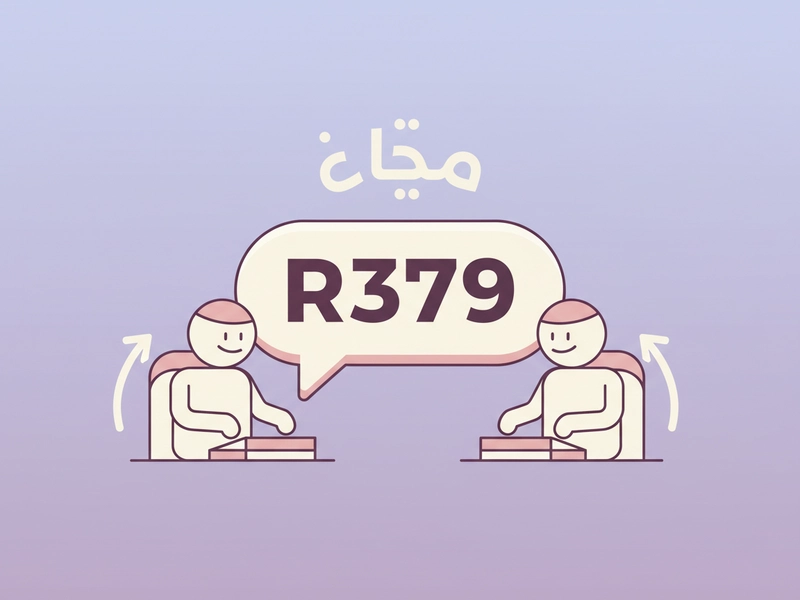
Arabizi emerged in the 1990s when Arabic speakers in chatrooms and SMS needed to write without an Arabic keyboard. They combined Latin letters with numbers for sounds that lacked direct Latin equivalents. The name blends “Arabi” and “Englizi.” Because the system grew informally, it never gained one spelling standard, so historical usage still varies across countries, dialects, and online communities.
Cultural Significance of Arabizi
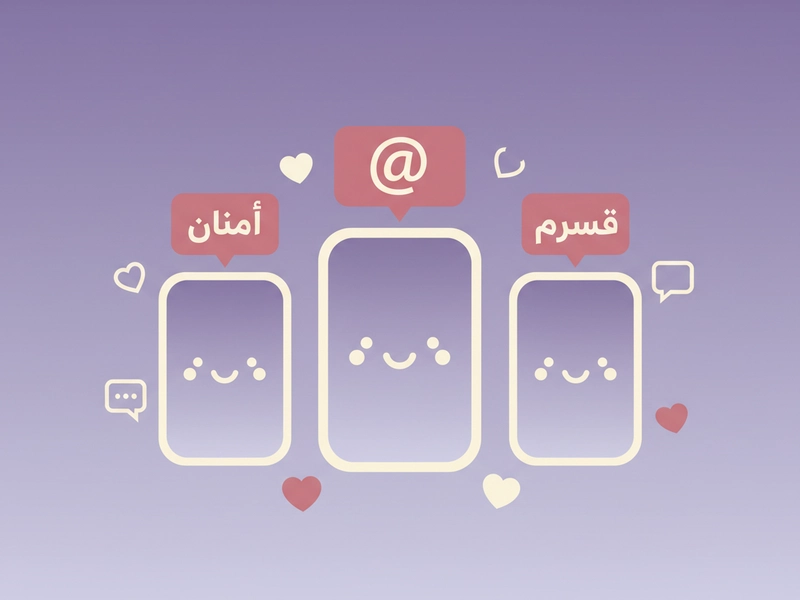
Arabizi now functions as more than a keyboard workaround. On social media and messaging apps, it can signal informality, humor, age group, or regional belonging. Its role is debated: some writers worry that Latin-script use weakens Arabic literacy, while others view it as a practical, creative response to digital life. Those competing views explain why readers may switch between scripts depending on audience and context.
Regional Dialects in Arabizi
Arabizi is not uniform across Arabic-speaking regions. Egyptian writers may use “shokran,” while Levantine writers often prefer “shukran.” Greetings also shift: “izzayak” is common in Egyptian speech, while “kifak” reflects Levantine usage. These are not simple spelling errors; they encode pronunciation and vocabulary differences. When a form is ambiguous, surrounding words and the speaker’s region help determine the likely Arabic script.

How Numbers Replace Arabic Letters
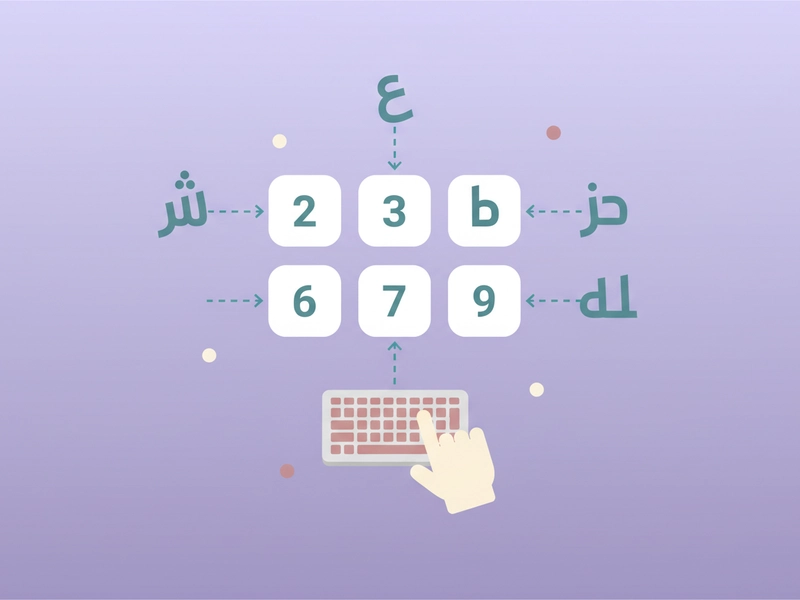
Numbers represent Arabic letters that lack convenient Latin equivalents. Common mappings include 2 for hamza (ء), 3 for ‘ayn (ع), 6 for ṭa (ط), 7 for ḥa (ح), and 9 for qaf (ق). These conventions are useful clues, not universal rules. Some writers choose letter combinations instead, and local habits can change how a number should be read inside a word.
Tool Features at a Glance
Two‑Panel Workflow
The left panel keeps your original text visible while the right panel shows the converted draft. Seeing both versions together helps you compare numbers, letters, and word boundaries without switching screens, then identify which part of an Arabizi phrase produced an unexpected Arabic form.
Direction Control
Choose Arabizi to Arabic for readable script, or reverse the direction for a Latin-script draft. The same control supports message reading, composition, and language study. Direction alone cannot resolve dialect differences, so check surrounding context when one spelling could represent several words.
Copyable Text Output
The result remains selectable text instead of an image, so you can copy it into a message, note, or document. Before sharing, compare the result with the source for missing names, dialect terms, or punctuation. Copying preserves the draft; it does not confirm that every interpretation is correct.
Clearly Labeled AI Draft
Every result is labeled as an AI-generated draft to set the right expectation. Arabizi has flexible spelling, regional vocabulary, and limited punctuation, so a model may choose the wrong interpretation. Review names and messages carefully, and ask a fluent speaker when meaning or tone could affect the conversation.
Frequently Asked Questions
Have other questions? Feel free to contact us via email.
Explore More Translator Tools
Check out these related translation and AI tools to enhance your experience
How to Use Arabizi Arabic Translator
Follow these three simple steps to convert your Arabizi text to Arabic script using the GuruTrans tool.
Step 1: Enter Text
Type or paste a short Arabizi or Arabic-script passage within the 500-character limit. Include surrounding words when forms such as 2, 3, or 7 could represent different letters, dialect spellings, or names.
Step 2: Translate
Select the required direction and press “Translate.” The result appears in the output panel as an AI-generated draft. Compare it with the source, especially when the input contains dialect words, names, abbreviations, or spellings that could have several meanings.
Step 3: Copy and Use
Use the copy action to place the result on your clipboard, then paste it into a chat or document. Before sending it, review names, dialect vocabulary, and the intended tone so an ambiguous conversion does not change your meaning.
Start Using the Arabizi Arabic Translator on GuruTrans Today
Enter a short Arabizi or Arabic-script passage, select the direction, and compare the AI-generated draft with the source. Review number-letter mappings, dialect vocabulary, names, and tone before sharing.