NATO Phonetic Alphabet Translator – Spell It Clearly
Enter short text or a code-word sequence and choose a direction. The translator produces an AI-generated draft using NATO spelling-alphabet words; compare important output with an official reference before speaking it.
Text
0 / 500
NATO Phonetic Alphabet
Translation will appear here...
NATO Phonetic Alphabet Translator Examples in Action
See how the translator works across everyday situations. From phone numbers to tricky spellings, these examples show you exactly what the output looks like.
English
Please call me at 555-1234
Translation
Papa Lima Echo Alfa Sierra Echo Charlie Alfa Lima Lima Mike Echo Alfa Tango Five Five Five - One Two Three Four
Giving a phone number over the phone
English
My email is john.doe@gmail.com
Translation
Mike Yankee Echo Mike Alfa India Lima India Sierra Juliett Oscar Hotel November . Delta Oscar Echo @ Golf Mike Alfa India Lima . Charlie Oscar Mike
Spelling an email address to customer service
English
The package will arrive at 10:30 AM
Translation
Tango Hotel Echo Papa Alfa Charlie Kilo Alfa Golf Echo Whiskey India Lima Lima Alfa Romeo Romeo India Victor Echo Alfa Tango One Zero : Three Zero Alfa Mike
Confirming a delivery time on the radio
English
Our meeting is in Conference Room B2
Translation
Oscar Uniform Romeo Mike Echo Echo Tango India November Golf India Sierra India November Charlie Oscar November Foxtrot Echo Romeo Echo November Charlie Echo Romeo Oscar Oscar Mike Bravo Two
Announcing a meeting location in an office
English
Reference code: AB2X
Translation
Romeo Echo Foxtrot Echo Romeo Echo November Charlie Echo Charlie Oscar Delta Echo : Alfa Bravo Two X-ray
Spelling a non-sensitive reference code over voice
English
Please send the file to Operations, urgent.
Translation
Papa Lima Echo Alfa Sierra Echo Sierra Echo November Delta Tango Hotel Echo Foxtrot India Lima Echo Tango Oscar Oscar Papa Echo Romeo Alfa Tango India Oscar November Sierra , Uniform Romeo Golf Echo November Tango .
Urgent request in a military or corporate setting
Fun Facts About the NATO Phonetic Alphabet
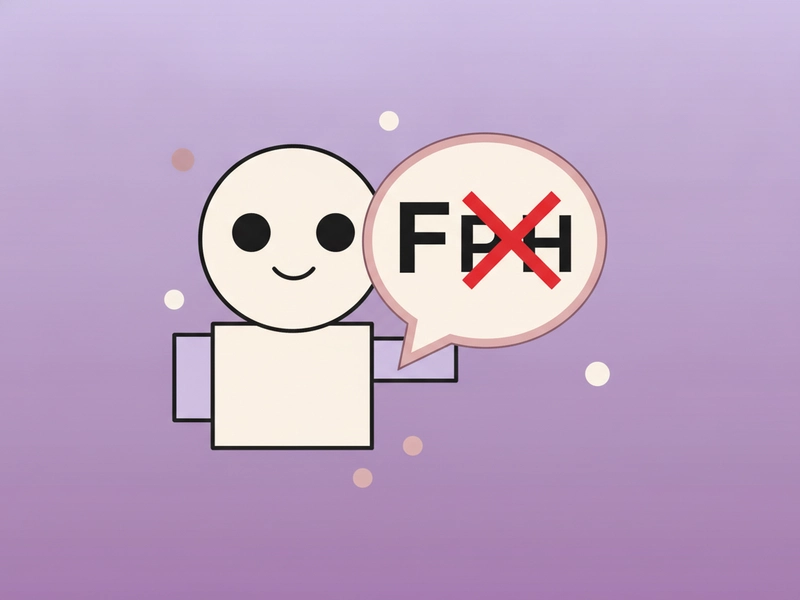
Why 'Alfa' Not 'Alpha'?
The official NATO word for A is 'Alfa' – not 'Alpha' – to ensure consistent pronunciation across all languages. Non-English speakers might say 'Alfa' with a hard 'f', while 'ph' can be confusing. This small tweak, adopted by ICAO, helps radiotelephony stay clear around the world even in noisy conditions.
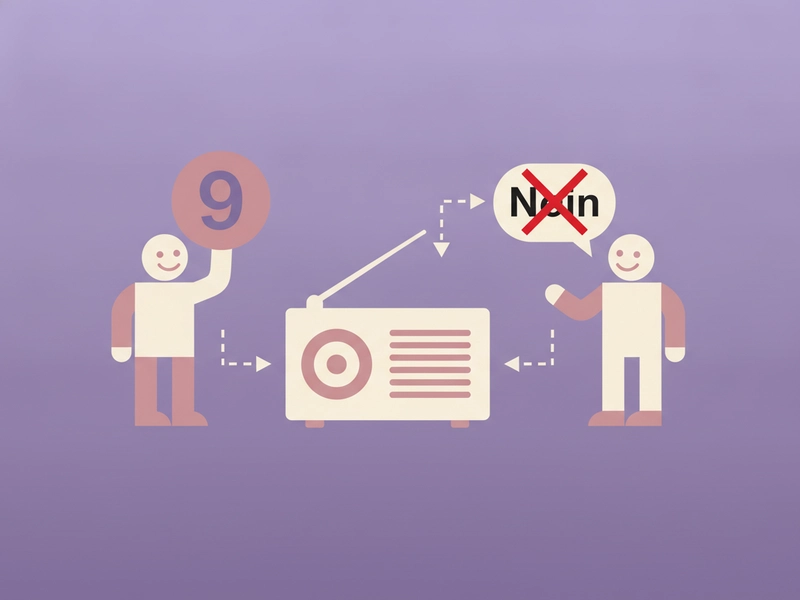
Niner for Nine: A Trick to Avoid Confusion
ICAO pronunciation guidance renders the digit nine as 'NIN-ER'. Three and five also receive distinctive radiotelephony pronunciations, commonly written 'TREE' and 'FIFE'. These pronunciations belong to aviation phraseology rather than the A–Z code-word list, so check the procedure used by your organization before transmitting numbers.
NATO Spelling Alphabet and Number Pronunciation References
| Letter | Code Word | Pronunciation | Memory Tip |
|---|---|---|---|
| A | Alfa | AL-fah | Think 'Alpha' but say 'Alfa' |
| B | Bravo | BRAH-voh | Clap your hands – Bravo! |
| C | Charlie | CHAR-lee | Charlie is a friendly name |
| D | Delta | DELL-tah | Delta wing airplane |
| E | Echo | ECK-oh | Say it loud like an echo |
| F | Foxtrot | FOKS-trot | Dance the foxtrot |
| G | Golf | GOLF | Swing your club |
| H | Hotel | hoh-TELL | You sleep in a hotel |
Selected A–H Code Words
This compact table shows the first eight official code words and approximate English pronunciation cues. It is a learning reference rather than the complete A–Z list. Consult the current ICAO or applicable organizational publication when exact pronunciation or operational phraseology is required.
ICAO Digit Pronunciation Cues
Digits are spoken individually in many aviation contexts, with published pronunciation cues such as TREE for three, FIFE for five, and NIN-ER for nine. Number grouping rules depend on the message type, so this table is a pronunciation aid rather than a complete operating procedure.
| Symbol | Written Cue | Plain Digit Name |
|---|---|---|
| 0 | ZEE-RO | Zero |
| 1 | WUN | One |
| 2 | TOO | Two |
| 3 | TREE | Three |
| 4 | FOW-ER | Four |
| 5 | FIFE | Five |
| 6 | SIX | Six |
| 7 | SEV-EN | Seven |
| 8 | AIT | Eight |
| 9 | NIN-ER | Nine |
Discover More About the NATO Phonetic Alphabet Language
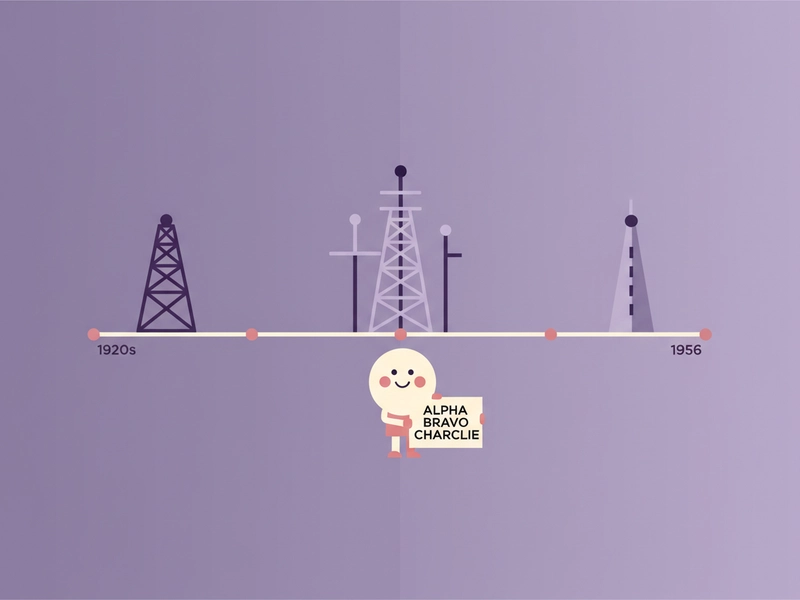
Historical Origins of the Alphabet
The current radiotelephony spelling alphabet emerged from ICAO testing in the 1950s. ICAO reports that the work involved extensive trials with aviation specialists and speakers from different language backgrounds. The resulting list was designed for intelligibility over radio and later became familiar through civil aviation, military communication, and other voice channels, replacing several earlier service-specific alphabets.
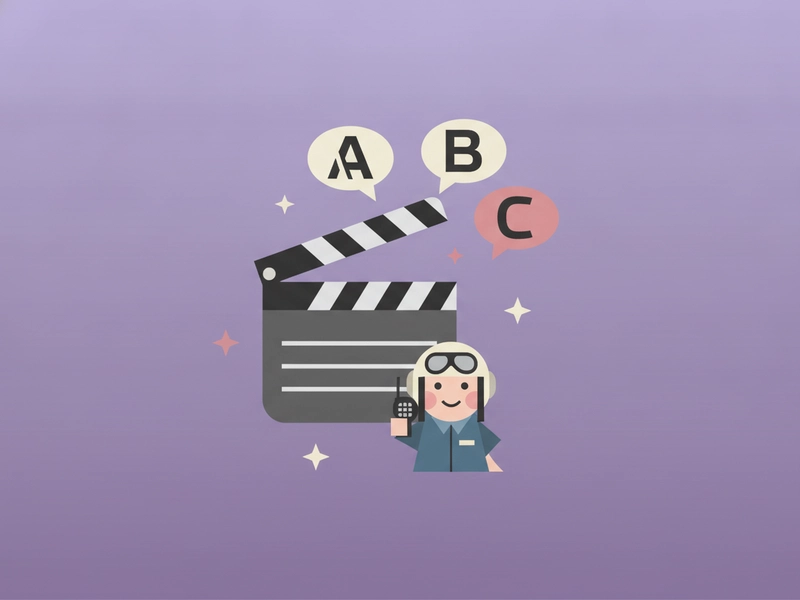
Cultural Significance in Film and Media
Spelling-alphabet words appear frequently in films, television, games, and news coverage involving pilots, dispatchers, or radio operators. Fiction often compresses procedures for drama, so a scene is not an operational guide. Still, repeated exposure makes words such as Bravo, Charlie, and Zulu recognizable beyond the professional settings where standardized pronunciation matters in daily spoken communication.
Official Spellings Support Many Languages
The official list deliberately spells A as 'Alfa' and J as 'Juliett'. ICAO explains that these forms help speakers whose languages treat 'ph' or a final single 't' differently from English. Published pronunciation guides provide another reference, but real accents still vary, which is why operators repeat or confirm critical identifiers when needed during transmission.
Real-World Use Beyond Military and Aviation
Customer-support teams, event crews, amateur-radio operators, and people spelling names by phone may use a recognized spelling alphabet. The listener still needs to know which alphabet is being used, and local procedures can differ. For emergencies or regulated radio work, follow the trained operator's instructions instead of treating a web draft alone as official protocol.
Key Features of the NATO Phonetic Alphabet Translator
Two-Panel Workflow
See the source in the left panel and the proposed code-word sequence in the right panel. The side-by-side layout supports a deliberate letter-by-letter review without claiming that the model has applied every radio procedure automatically.
Direction Control
Switch between encoding ordinary text and decoding a sequence of spelling-alphabet words. The direction is sent as part of the request, reducing ambiguity about whether Alfa Bravo should remain words or become the letters A B.
Copyable Text Output
Copy the reviewed result from the output panel for a note, script, or message. Formatting is a readable draft, not a guarantee of compliance with aviation, military, maritime, emergency-service, or organizational phraseology requirements in practice.
Clearly Labeled AI Draft
The interface identifies the result as an AI draft and keeps the source visible for comparison. For call signs, safety information, account details, or emergency traffic, verify every token with an authoritative reference or trained operator.
Frequently Asked Questions
Have other questions? Feel free to contact us via email.
Explore More Translator Tools
Check out these related translation and AI tools to enhance your experience
How to Use the NATO Phonetic Alphabet Translator
Use the two-panel tool to encode a short message or decode a sequence, then check the draft against the official spelling alphabet before relying on it.
Step 1: Enter Text
Choose whether to convert ordinary text into code words or decode code words into text. Type or paste a short message in the left panel, staying within the displayed character limit and avoiding sensitive information.
Step 2: Translate
Select Translate to request an AI-generated draft. The right panel shows the proposed result beside your source, so you can compare every letter, digit, separator, and unfamiliar token before copying anything.
Step 3: Copy and Use
Compare the result with an ICAO or organizational reference, especially for digits and punctuation. Copy the reviewed text from the output panel, then adapt its pauses and phrasing to the communication procedure you follow.
Start Using the NATO Phonetic Alphabet Translator by GuruTrans
Draft a spelling-alphabet sequence or decode code words in the two-panel tool. Review every letter, digit, and symbol against an authoritative reference before using the result in important communication.