Explore Middle English without Treating One Form as Universal
Generate a possible historical-language draft, then compare it with dictionaries, grammars, and edited texts. The result is not a quotation from Chaucer or a reconstruction of one specific manuscript tradition.
Modern English
0 / 500
Middle English
The AI-generated draft will appear here...
Six Possible Normalized Forms
These are editorial examples, not live output. Each after-form is one possible normalized choice; another period, region, or manuscript practice may use a different spelling or inflection.
English
You are my friend.
Translation
Thou art my frend.
A possible second-person singular sentence
English
The knight rides home.
Translation
The knyght rideth hom.
A possible late medieval-looking sentence
English
I know the truth.
Translation
I knowe the trouthe.
A possible spelling and inflection choice
English
She has a book.
Translation
She hath a bok.
A possible short prose form
English
A good day.
Translation
A good day.
A reminder that some words may remain familiar
English
When April comes.
Translation
Whan Aprille cometh.
A possible late Middle English-style phrase
A Compact Middle English Review Guide
| Dimension | Possible scope | Question to ask |
|---|---|---|
| period | early, later, or late transitional | Which century is intended? |
| region | Northern, Midlands, Southern, Kentish, or London | Which writing area is relevant? |
| witness | one manuscript or an edited composite | Am I following a specific source? |
| genre | romance, chronicle, devotional, legal, or everyday prose | What register fits the text? |
Locate the Draft in Time and Place
Use these categories as research questions rather than automatic style presets.
Check More than Spelling
A medieval-looking spelling does not establish that the whole sentence fits a historical variety.
| Layer | Review focus | Useful evidence |
|---|---|---|
| lexicon | sense at the intended date | historical dictionary citations |
| morphology | pronouns, noun endings, and verb forms | period grammar |
| syntax | word order and clause structure | comparable edited passages |
| orthography | consistent editorial or manuscript convention | edition introduction and notes |
Why One Middle English Label Is Not Enough
Four Centuries Contain Internal Periods
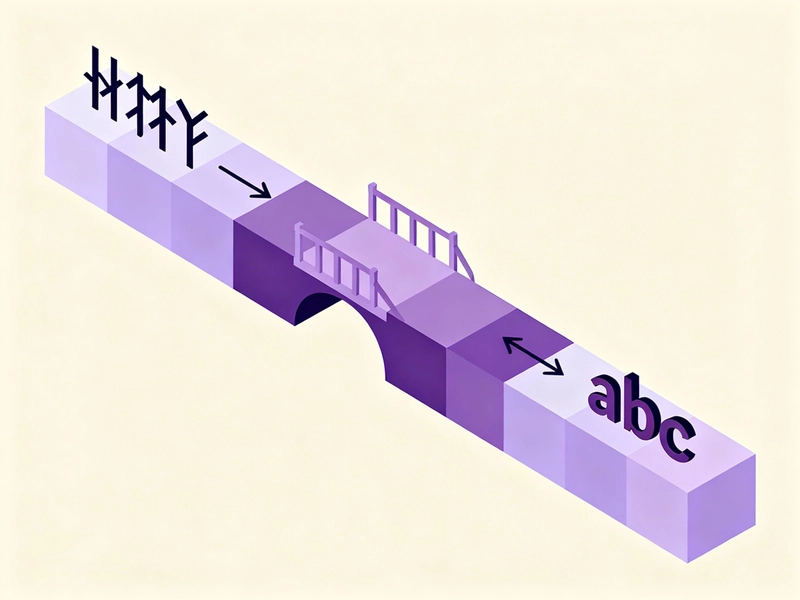
The broad 1100–1500 label contains substantial change: Early Middle English is roughly 1100–1300, later Middle English roughly 1300–1450, and the late transitional span roughly 1450–1500. Boundaries are conventions, not switches that changed every text at once.
Region and Scribe Shape the Page
Northern, East and West Midlands, Southern, Kentish, and London usages can differ. Spelling was not standardized, and manuscript and scribe variation means two witnesses may represent the same word differently.

Chaucer Is One Major Witness
Chaucer wrote in late fourteenth-century London, drawing on forms associated with that place and time. His writing is not all Middle English, and an AI draft should not be presented as his wording or authority.
Verification Needs the Right Kind of Source
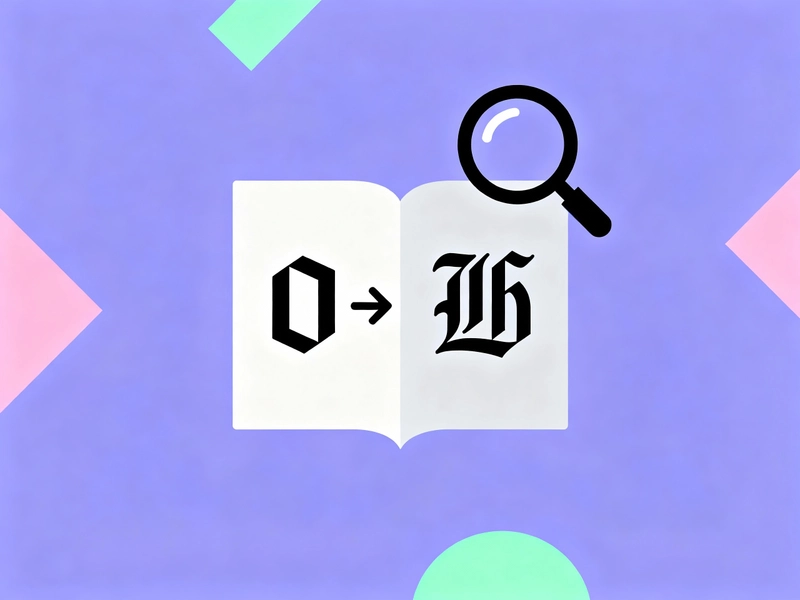
Use a Middle English dictionary for senses, a grammar for inflection and syntax, and an edited text for attested usage. Ask a trained Middle English reader to review publication, teaching, attribution, or permanent display.

Current Workflow Boundaries
These details describe the implemented page rather than an imagined historical reconstruction service.
Queued AI Request
After validation, the API places task settings in a system instruction and source text in a separate user message. The compatibility queue sends the final provider request to DeepSeek, and output can vary between requests.
Two Validated Directions
The route accepts modern-to-middle and middle-to-modern only. Each direction selects a different rewrite task before the provider request.
Four Dialects, Three Periods
General, Northern, Kentish, and Midlands are the accepted dialect values; 1150–1300, 1300–1450, and 1450–1500 are the accepted periods. They constrain the instruction but do not guarantee historical fit.
Reviewable Text Result
The page provides one source box, one result box, Copy, and Reset. It does not produce a manuscript transcription, textual apparatus, or cited edition.
Questions about Middle English Drafts
Answers grounded in the current page and historical-language limits.
Explore More Translator Tools
Check out these related translation and AI tools to enhance your experience
How to Generate and Check a Draft
The text-only workflow combines direction, dialect, period, copy, and reset controls with a 500-character limit shared by the browser and API.
Step 1: Enter a Short Source
Type or paste no more than 500 characters. Include enough context to distinguish a statement, question, address form, or quotation fragment.
Step 2: Choose a Direction and Historical Frame
The endpoint accepts only the two displayed directions, four dialect choices, and three period ranges. These validated controls shape the system instruction.
Step 3: Compare before Reuse
Check vocabulary, endings, syntax, and spelling against a source suited to your period and region. Copy the reviewed result or use Reset to begin again.
Generate a Short Draft, Then Verify It
Enter up to 500 characters, choose either direction and a historical frame, then review period, region, grammar, and spelling before reuse.