Pigpen Cipher Translator – Secret Message Decoder & Encoder
Encode short text as Pigpen tokens and visual symbols, or decode copied tokens in the reverse direction. Pigpen has multiple variants, so treat the AI-generated result as a draft and compare it with your puzzle's key.
Text
0 / 500
Pigpen Cipher
Translation will appear here...
Pigpen Cipher Translator Examples – See How It Works
Here are six real translations showing how the translator converts everyday English into pigpen symbols. Each example comes from a different scenario, from secret notes to historical messages.
English
MEET AT NOON
Translation
PIGPEN:M PIGPEN:E PIGPEN:E PIGPEN:T / PIGPEN:A PIGPEN:T / PIGPEN:N PIGPEN:O PIGPEN:O PIGPEN:N
Secret message for a treasure hunt puzzle
English
OPEN THE GATE
Translation
PIGPEN:O PIGPEN:P PIGPEN:E PIGPEN:N / PIGPEN:T PIGPEN:H PIGPEN:E / PIGPEN:G PIGPEN:A PIGPEN:T PIGPEN:E
Scheduling a secret meeting
English
CLUE UNDER DESK
Translation
PIGPEN:C PIGPEN:L PIGPEN:U PIGPEN:E / PIGPEN:U PIGPEN:N PIGPEN:D PIGPEN:E PIGPEN:R / PIGPEN:D PIGPEN:E PIGPEN:S PIGPEN:K
Encrypted note for a spy game
English
SECRET MESSAGE
Translation
PIGPEN:S PIGPEN:E PIGPEN:C PIGPEN:R PIGPEN:E PIGPEN:T / PIGPEN:M PIGPEN:E PIGPEN:S PIGPEN:S PIGPEN:A PIGPEN:G PIGPEN:E
Encoding a playful secret message
English
X MARKS THE SPOT
Translation
PIGPEN:X / PIGPEN:M PIGPEN:A PIGPEN:R PIGPEN:K PIGPEN:S / PIGPEN:T PIGPEN:H PIGPEN:E / PIGPEN:S PIGPEN:P PIGPEN:O PIGPEN:T
Escape room instruction
English
GAME NIGHT
Translation
PIGPEN:G PIGPEN:A PIGPEN:M PIGPEN:E / PIGPEN:N PIGPEN:I PIGPEN:G PIGPEN:H PIGPEN:T
Expressing interest in secret codes
Fun Facts About Pigpen Cipher
A Cipher Family, Not One Universal Key
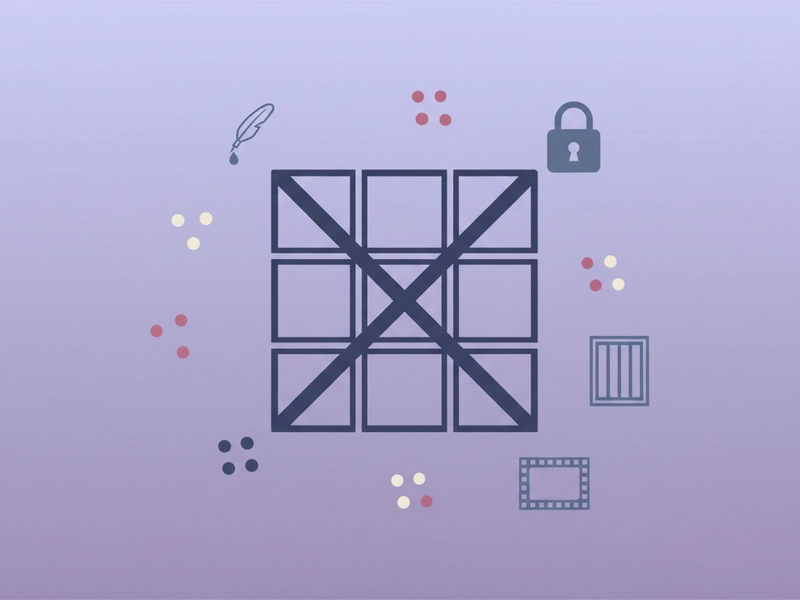
Pigpen describes a family of geometric substitution systems rather than one universal alphabet. A common key places letters in two grids and two X shapes, adding dots for later groups. Change the ordering, orientation, or dot convention and the same outline may represent another letter, so every unfamiliar message needs its own key.
Historical Associations Need Context
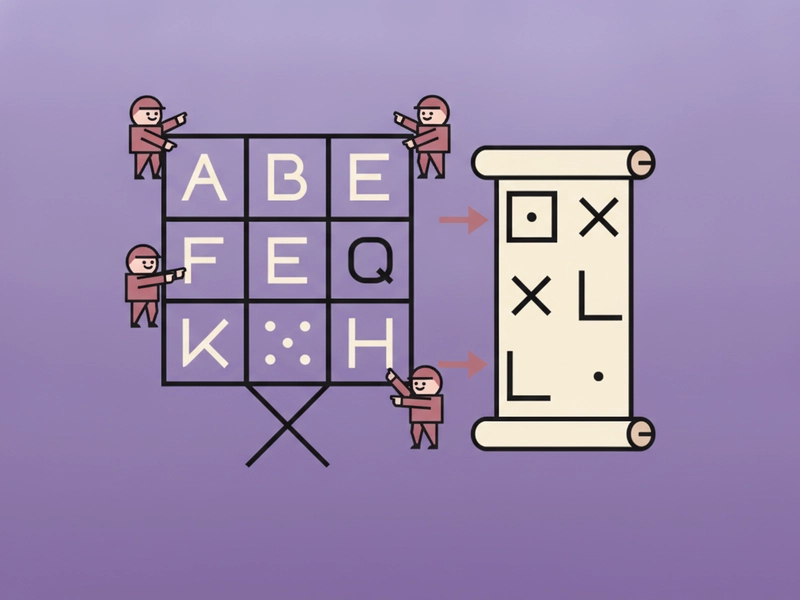
Pigpen is strongly associated with Freemasonry and is often linked in educational material to historical secret writing, including Civil War-era examples. Those associations do not prove that every geometric message uses the same key. Dating or identifying an artifact requires provenance, a transcription, and comparison with documented variants rather than visual resemblance alone.
Pigpen Cipher Reference Tables
| Check | Question | Why It Matters | Page Behavior |
|---|---|---|---|
| Alphabet | Which letters are included? | Variants may reorder characters | Uses A–Z tokens |
| Orientation | How are grids and X sections turned? | Rotation changes the outline | Uses one fixed SVG mapping |
| Dots | Which groups receive dots? | Dots distinguish reused shapes | Renders dots by token group |
| Spacing | How are words separated? | Breaks preserve word structure | Uses slash tokens for spaces |
Checklist Before Encoding
A usable Pigpen key must define letter order, grid orientation, X-shaped sections, and the meaning of dots. Record those choices before encoding so another person can reverse the message. The page renderer follows one explicit A–Z mapping and does not claim compatibility with every historical diagram.
Review the Normalized Output
Normalized tokens make the model response auditable before the browser draws symbols. Check that every source letter has exactly one token, each word break has a slash, and punctuation remains literal. Reverse mode is designed for this text representation, not for interpreting an uploaded photograph or arbitrary glyph font.
| Review Step | Expected Form | Example | Action on Mismatch |
|---|---|---|---|
| Letter token | PIGPEN:A to PIGPEN:Z | PIGPEN:C | Correct before copying |
| Word break | Slash token | / | Restore the intended space |
| Punctuation | Literal character | ? | Confirm the puzzle preserves it |
Discover More About Pigpen Cipher
History of the Pigpen Cipher
Pigpen is also called the Masonic or Freemason cipher because geometric grid ciphers became associated with Masonic correspondence and inscriptions. Earlier and later systems used related shapes, so claims about a single inventor or first use deserve caution. For a historical artifact, record its location and date before choosing a modern classroom key to decode it.
Cultural Significance of the Cipher
Modern puzzle books, escape rooms, scavenger hunts, and classroom exercises use Pigpen because its geometric rule is visible once the key is revealed. It demonstrates substitution without requiring arithmetic. That makes it useful for discussing keys, encoding, decoding, and pattern recognition, while also showing why an recognizable symbol alphabet provides no meaningful security for sensitive information.
Grid Order and Dots Define a Variant
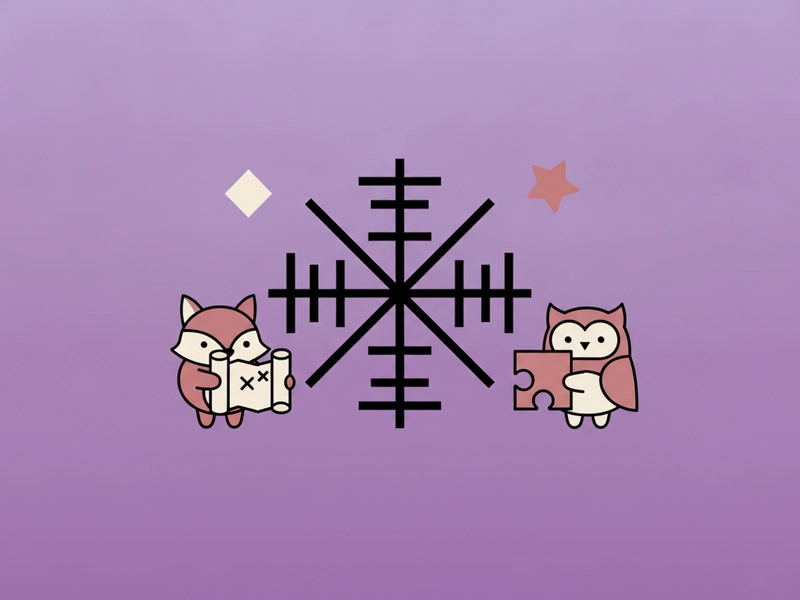
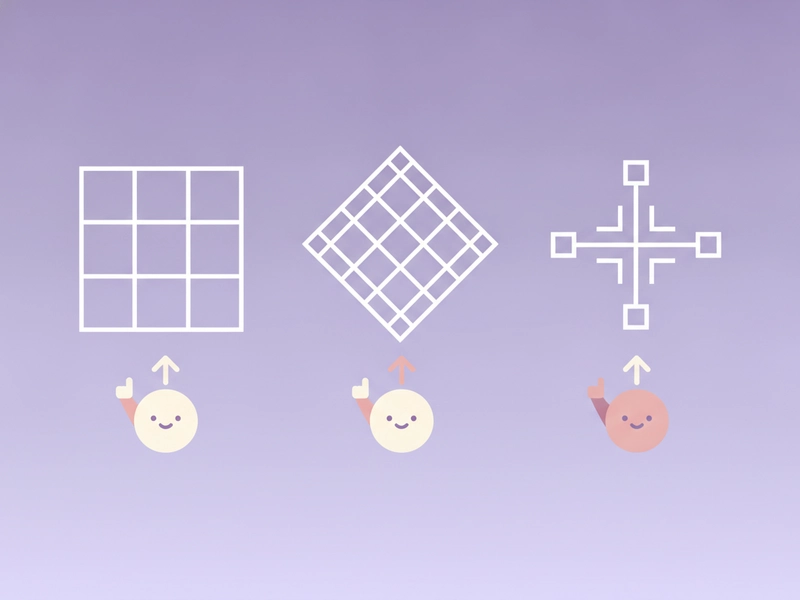
Common modern keys divide the alphabet across grid cells and angled X sections, then reuse shapes with dots to extend the set. Other published variants reorder these families or place multiple letters in one cell. Before decoding, inspect dot placement, repeated symbols, word spacing, and any supplied key instead of assuming one website's diagram is universal.
Symbols Do Not Change the Language
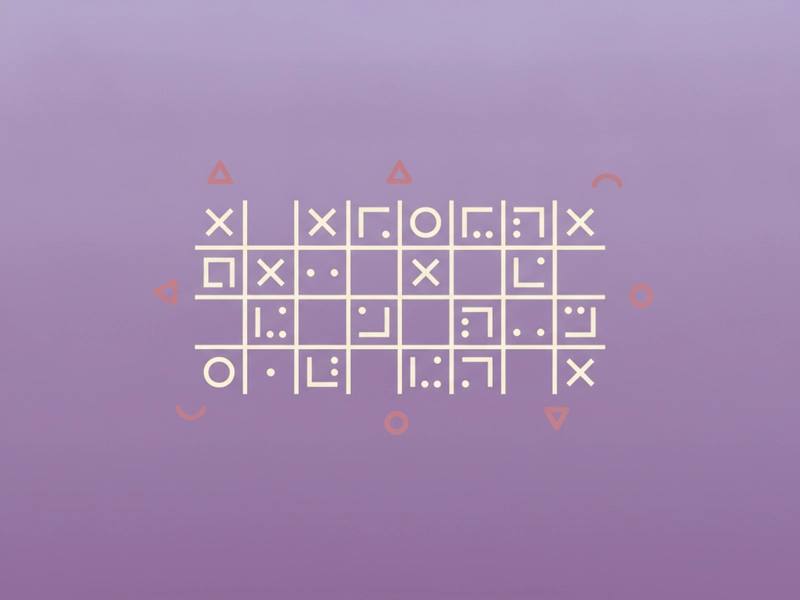
A typical Pigpen key assigns a geometric symbol to each of the 26 English letters. The underlying spelling, word frequency, and punctuation still belong to the original language. Replacing letters with shapes therefore obscures the surface but preserves many patterns. Repeated short words and common letter frequencies can help a solver recover an unknown substitution key.
Key Features of the Pigpen Cipher Translator
Two‑Panel Workflow
The source remains in the left panel while normalized tokens and their rendered symbols appear on the right. Keeping both views visible makes it easier to count letters, locate word breaks, and inspect a suspicious mapping.
Direction Control
Use the direction control explicitly before submitting anything: forward mode accepts ordinary text, while reverse mode expects copied tokens in the form PIGPEN:A through PIGPEN:Z. The tool does not infer a photographed or hand-drawn symbol.
Copyable Text Output
The output retains a copyable token representation alongside the accessible SVG display. Tokens reliably preserve which letter each rendered mark represents, making them more dependable than copying font-specific box-drawing characters between apps, notes, or reports.
AI Draft Label
The result is labeled as an AI-generated draft. Check token order, spaces, punctuation, and the chosen variant before publishing a clue; this tool does not reliably establish the key used by an unknown historical message with confidence.
Frequently Asked Questions
Have other questions? Feel free to contact us via email.
Explore More Translator Tools
Check out these related translation and AI tools to enhance your experience
How to use pigpen cipher translator
Choose a direction, submit a short message or normalized token sequence, and review the rendered result against the variant used by your puzzle.
Step 1: Enter Text
Choose text-to-Pigpen for ordinary A–Z text, or Pigpen-to-text for normalized tokens such as PIGPEN:A. Type or paste the source in the left panel and stay within the displayed character limit.
Step 2: Translate
Select Translate to request a token sequence or decoded text. In forward mode, recognized PIGPEN tokens are rendered as SVG symbols while spaces and literal punctuation remain visible for review.
Step 3: Copy and Use
Compare every token with the specific Pigpen key supplied by your puzzle. Copy the text representation only after review; different grid orders or dot conventions can assign another letter to a similar mark.
Start Decoding with GuruTrans Pigpen Cipher Translator
Encode a short puzzle phrase as accessible Pigpen SVG symbols or decode normalized tokens back into text. Review the complete draft against the exact key used by your puzzle before sharing it.