Hangul to Romanization Converter – Convert Korean to Roman Letters Easily
Turn short Korean text in Hangul into a Roman-letter draft for comparison and study. Because conventions and established names differ, review the output before using it.
Hangul
0 / 500
Romanization
Translation will appear here...
Hangul to Romanization Draft Examples
These six sample drafts cover greetings, food, directions, learning, travel, and thanks. They illustrate the side-by-side format, while exact spelling can vary by convention and context.
English
안녕하세요, 오늘 날씨가 좋네요.
Translation
Annyeonghaseyo, oneul nalssiga johneyo.
Daily greeting and weather comment
English
김치찌개 주세요.
Translation
Gimchijjige juseyo.
Ordering food at a restaurant
English
서울역으로 가는 길을 알려주세요.
Translation
Seoullyeogeuro ganeun gireul allyeojuseyo.
Asking for directions in Seoul
English
저는 한국어를 배우고 있어요.
Translation
Jeoneun hangugeoreul baeugo isseoyo.
Language learning conversation
English
부산 해운대 해수욕장은 여름에 유명해요.
Translation
Busan Haewundae haesuyokjangeun yeoreume yumyeonghaeyo.
Travel tip about Busan beach
English
감사합니다, 다음에 또 만나요.
Translation
Gamsahamnida, daeume tto mannayo.
Polite farewell and gratitude
Fun Facts About Korean Romanization
Established Names Do Not Always Match a Fresh Conversion
A place, person, or organization may keep an established international spelling even when a modern romanization rule would suggest another form. Seoul is a familiar example of a conventional English name. That does not make every place name an exception: writers should check the responsible authority rather than infer official spelling from a general converter alone.

One Hangul Letter Can Romanize Differently by Position
Romanization reflects pronunciation rules, not just isolated letter names. A consonant can be written differently depending on whether it begins a syllable, ends one, or meets another sound across a boundary. This is why splitting text into individual blocks and converting each block independently can produce a different result from processing the complete Korean word or phrase.
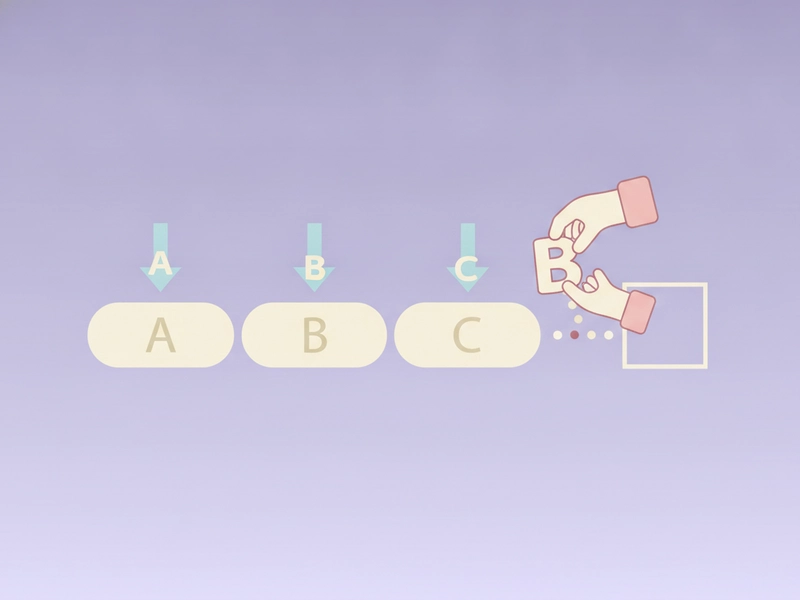
Choosing and Reviewing Korean Romanization
| Use Case | Primary Concern | Reference to Check | Review Action |
|---|---|---|---|
| Personal name | Preferred or legal spelling | Person or identity document | Preserve the confirmed form |
| Place name | Established official English name | Responsible mapping authority | Use the published place spelling |
| Road sign | Consistency with local signage | Transport or municipal source | Match the destination's convention |
| Library catalog | Search and citation consistency | Cataloging standard in use | Follow that catalog's rules |
| Academic paper | Named scholarly convention | Journal or style guide | Declare one system and stay consistent |
| Language study | Linking text with pronunciation | Course materials and audio | Keep Hangul beside the Roman letters |
| Brand name | Existing public identity | Organization's own materials | Do not silently respell it |
| Informal note | Reader clarity | Known audience preference | Label the output as a draft |
Romanization Purpose and Authority Table
Choose a convention according to where the result will be used, not according to which spelling looks most familiar. This table separates learning notes from official names, maps, catalogs, and academic work. Each row identifies the authority worth checking before an AI-generated draft is copied into a consequential or public document.
Hangul Romanization Review Checklist
Run this checklist after the converter returns a draft. It focuses on the places where character-by-character comparison is insufficient: sound changes across syllable boundaries, spacing, capitalization, established names, and mixed conventions. The suggested action points to a deterministic or human reference when the Roman-letter result will be published or used officially.
| Review Area | Question | Suggested Action |
|---|---|---|
| Convention | Has one romanization system been specified? | Name the required system and verify it |
| Whole word | Could adjacent sounds change the spelling? | Check the complete word, not isolated blocks |
| Spacing | Do word boundaries match the source? | Compare the full Korean phrase |
| Proper names | Is there an established spelling? | Consult the person or responsible authority |
| Capitalization | Does the destination style require capitals? | Apply the target document's style guide |
| Hyphens | Are separators required or prohibited? | Follow the named convention consistently |
| Pronunciation | Is the Roman spelling being used as audio guidance? | Pair it with a fluent recording |
| Publication | Will readers rely on the exact spelling? | Use editorial or native-speaker review |
| Official use | Does the text affect identity or location? | Use the authoritative record instead |
| Consistency | Does the same name appear more than once? | Search the final document for variants |
Discover More About the Korean Language
Hangul Was Designed as a New Writing System
Hangul was created during the reign of King Sejong and presented in the fifteenth century as a writing system suited to Korean. Its letters are arranged into syllable blocks rather than written as a simple linear string. Several consonant shapes reflect features of articulation, while related vowels use systematic visual patterns that help explain how the script is organized.
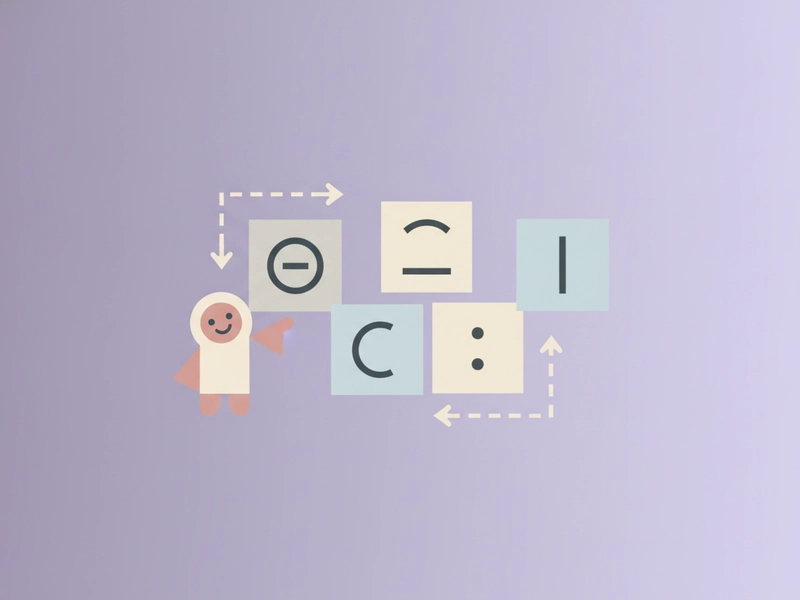
Cultural Role of Romanization
Roman letters appear on signs, maps, passports, catalogs, and learning materials, but each context may follow its own authority or convention. South Korea introduced Revised Romanization in 2000 for many official uses, while McCune–Reischauer and scholarly systems still appear elsewhere. Romanization aids access, yet it does not encode every contrast or teach pronunciation by itself.

Regional Speech Does Not Collapse into One Spelling
Korean speech varies by region in pronunciation, vocabulary, rhythm, and intonation. Standard-language romanization can provide a common written reference, but it may not capture what a listener hears in a regional variety. Jeju speech is also treated as a distinct language by many linguistic sources, illustrating why regional labels and audience context matter when interpreting spoken material.

Why Romanization Matters for Learners
Romanization can help beginners recognize a name or compare a Korean phrase with Latin-script notes. It should remain a support rather than a substitute for Hangul and audio, because aspiration, tense consonants, syllable boundaries, and sound changes are easy to misread from Roman letters. Pairing the draft with recordings and Hangul practice gives a fuller learning path.

Key Features of Hangul to Romanization Converter
Two-Panel Workflow
The source stays in the left panel while the Roman-letter draft appears in the right panel. Keeping both visible makes changed names, missing syllables, and spacing differences easier to notice. On narrow screens the panels stack while preserving the same source-to-result order.
Single, Explicit Conversion Direction
This page accepts Hangul and returns a Roman-letter draft. It does not expose a reverse direction or a selectable romanization standard. The fixed labels reduce direction mistakes, while convention-specific work still requires the user to state and independently verify the required system.
Copyable Text Output
The copy action places the Roman-letter result on your clipboard without including the source panel. Paste it into a document, message, or study note after checking capitalization, hyphens, spacing, and established proper-name spellings against the intended convention.
Clearly Labeled AI Draft
The output is presented as an AI-generated draft rather than an official romanization. Review personal names, addresses, institutional names, and publication metadata against the relevant authority, because a plausible Latin spelling may still be wrong for that context.
Frequently Asked Questions
Have other questions? Feel free to contact us via email.
Explore More Translator Tools
Check out these related translation and AI tools to enhance your experience
How to Use Hangul to Romanization Converter
Follow these three steps to create and review a Roman-letter draft from short Hangul text.
Step 1: Enter Text
Type or paste Hangul into the left input panel. Keep the request within 500 characters and include the full word or sentence so the model can consider sound changes and context.
Step 2: Translate
Click the Translate button to request an AI-generated Roman-letter draft. The page has one Hangul-to-Roman direction and no formal scheme selector, so state a required convention in the input when relevant.
Step 3: Copy and Use
Compare the draft with the Hangul source, checking names, spacing, and sound changes. Copy it when ready, but verify official names and convention-dependent text against an authoritative reference before publishing.
Start Using GuruTrans Hangul to Romanization Converter Today
Create a Roman-letter draft from short Hangul text, then review the convention, sound changes, spacing, and established proper-name spellings before use.