Hanzi to Pinyin Converter: Turn Chinese Characters into Pinyin with Tones
Turn short Chinese text into a pinyin draft with tone marks while keeping the hanzi visible for comparison. Review context-dependent readings, names, and tone changes before using the result.
Hanzi
0 / 500
Pinyin
Translation will appear here...
Hanzi to Pinyin Converter Examples – Real Conversions in Action
See how our tool handles everyday Chinese text. Each example shows original Chinese characters and the resulting pinyin with tone marks. Use cases range from casual conversation to academic texts.
English
你好,你叫什么名字?
Translation
nǐ hǎo, nǐ jiào shén me míng zì?
Daily greeting asking someone's name
English
请问,去火车站怎么走?
Translation
qǐng wèn, qù huǒ chē zhàn zěn me zǒu?
Asking for directions to the train station
English
我想吃一碗牛肉面。
Translation
wǒ xiǎng chī yī wǎn niú ròu miàn.
Ordering food at a restaurant
English
明天有考试,我要复习。
Translation
míng tiān yǒu kǎo shì, wǒ yào fù xí.
Student study routine preparation for an exam
English
这件衣服多少钱?
Translation
zhè jiàn yī fu duō shao qián?
Shopping for clothes and asking the price
English
他是一名医生,工作很忙。
Translation
tā shì yī míng yī shēng, gōng zuò hěn máng.
Describing someone's profession and workload
Fun Facts About Chinese Pinyin
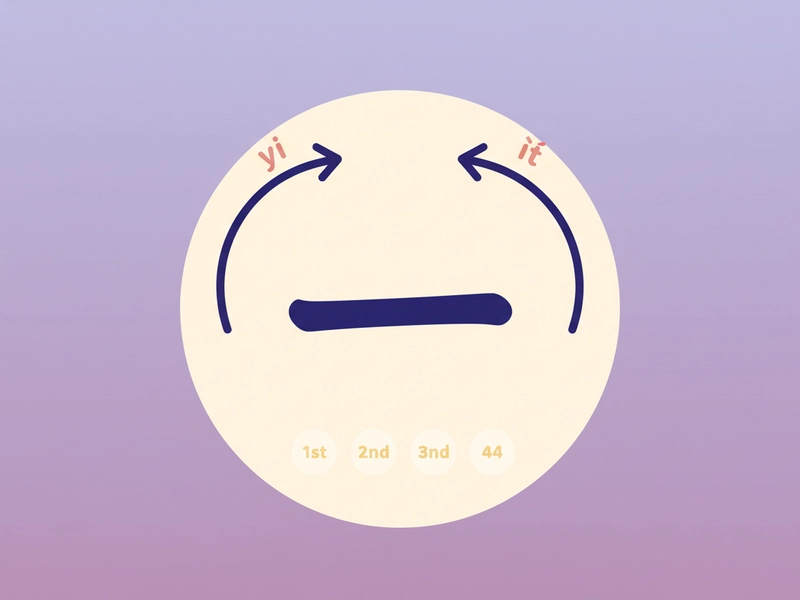
The Tone-Changing “Yī” (一)
The character for one (yi) changes its pinyin tone depending on the following word. Before a fourth-tone character it becomes yí, before first, second, or third tones it becomes yì. Most basic converters fail to apply this common tone sandhi rule correctly, often causing mispronunciation for learners in connected speech. Understanding this rule is crucial for accurate pinyin representation.
The “Chóngqìng” Mistake
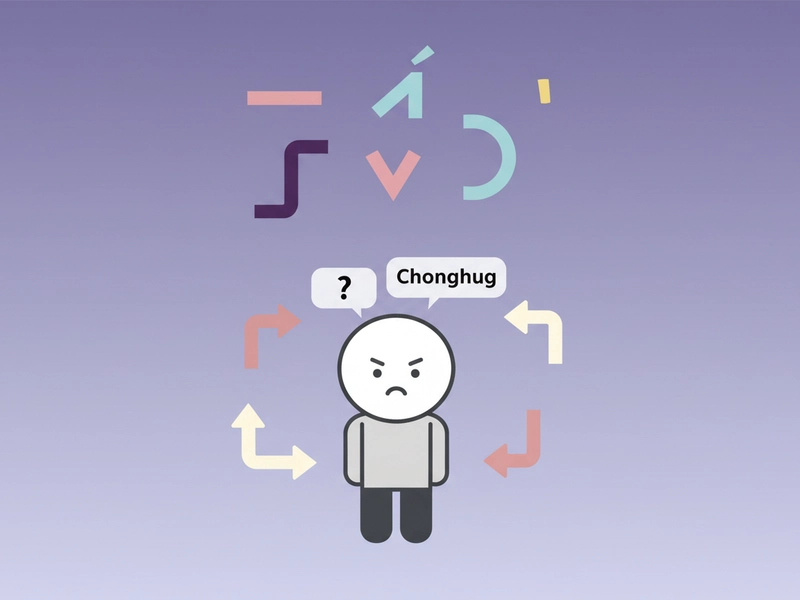
The Pinyin romanization system, developed in the 1950s, uses four tone marks – flat, rising, falling-rising, and falling – to represent Mandarin's lexical tones. For instance, 'mā' (mother), 'má' (hemp), 'mǎ' (horse), and 'mà' (scold) show how a single tone change can completely alter meaning. This system is now standard worldwide for teaching Mandarin pronunciation.
Key Pinyin Rules You Should Know
| Character | First Reading | Second Reading | Common Words |
|---|---|---|---|
| 行 | xíng (háng) | háng (xíng) | 行为 (xíngwéi), 银行 (yínháng) |
| 了 | le | liǎo | 好了 (hǎo le), 了解 (liǎojiě) |
| 长 | cháng | zhǎng | 长度 (chángdù), 长大 (zhǎngdà) |
| 重 | zhòng | chóng | 重量 (zhòngliàng), 重复 (chóngfù) |
| 着 | zhe | zháo | 看着 (kànzhe), 着急 (zháojí) |
| 还 | hái | huán | 还有 (háiyǒu), 还书 (huánshū) |
| 好 | hǎo | hào | 好看 (hǎokàn), 爱好 (àihào) |
| 乐 | lè | yuè | 快乐 (kuàilè), 音乐 (yīnyuè) |
Common Polyphonic Characters Reference
Polyphonic characters (heteronyms) have multiple pronunciations depending on context, such as part of speech or meaning. This table shows frequent examples to help you understand why the same character can be read differently. Understanding these characters reduces pinyin errors in reading. The table also includes example sentences.
Tone Sandhi Rules Quick Reference
Tone sandhi refers to changes in tone when certain characters appear together in natural speech. This table covers the most common patterns, including third-tone changes and the special rules for 一 (yi) and 不 (bu). Understanding these patterns helps achieve fluent and natural pronunciation. The examples show how tones shift before different following tones.
| Original Pinyin | Changed Pinyin | Condition | Example |
|---|---|---|---|
| yī (first tone) | yí (second tone) | Before fourth-tone character | 一个 yī → yí gè |
| yī (first tone) | yì (fourth tone) | Before first, second, or third tone | 一天 yī → yì tiān |
| bù (fourth tone) | bú (second tone) | Before fourth-tone character | 不会 bù → bú huì |
| hǎo (third tone) + hǎo (third tone) | hǎo (second tone) + hǎo (third tone) | Two third tones together | 很好 hěn hǎo → hěn hǎo (first hǎo becomes second) |
| nǐ (third tone) + hǎo (third tone) | ní (second tone) + hǎo (third tone) | Two third tones together | 你好 nǐ → ní hǎo |
| lǎo (third tone) + shǔ (third tone) | lǎo (second tone) + shǔ (third tone) | Two third tones together | 老鼠 lǎo → láo shǔ |
Discover More About the Chinese Language
A Brief History of Pinyin
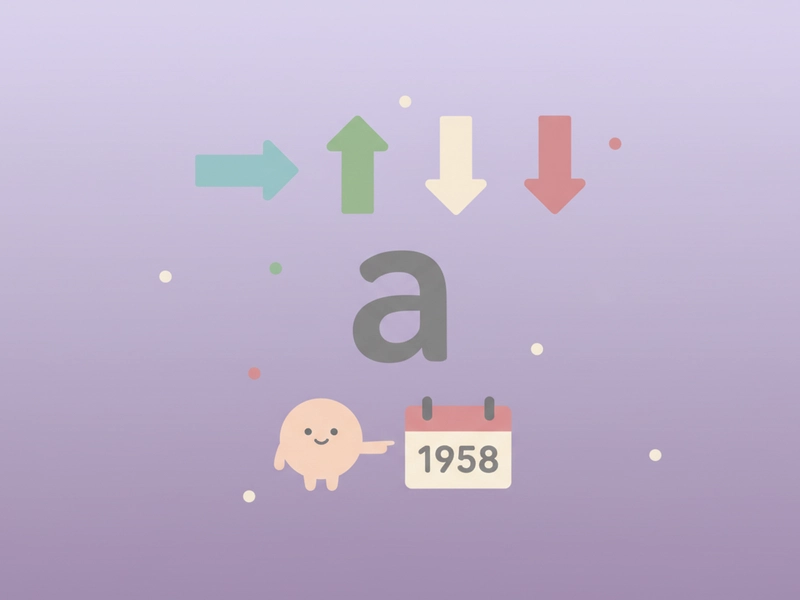
Pinyin was officially adopted in 1958 by the Chinese government, becoming the standard romanization system for Mandarin. Developed largely by linguist Zhou Youguang, it replaced earlier systems like Wade-Giles. Pinyin uses the Latin alphabet to represent Mandarin pronunciation, making it easier for learners worldwide to read and speak Chinese accurately. The system uses four diacritical marks to indicate tones and is an ISO standard.
The Four Tones of Mandarin
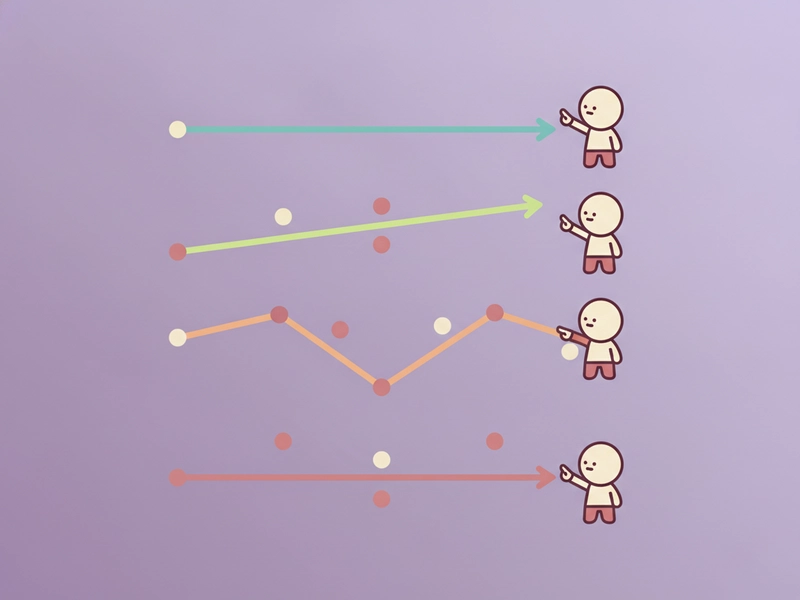
Mandarin Chinese has four main tones with distinct pitch patterns: flat, rising, falling-rising, and falling. Each tone changes the meaning of a syllable. For example, “ma” can mean mother (mā), hemp (má), horse (mǎ), or scold (mà). Tones are essential for clear communication, and a neutral tone also exists, with the neutral tone being unmarked and unstressed.
Regional Dialects Beyond Mandarin
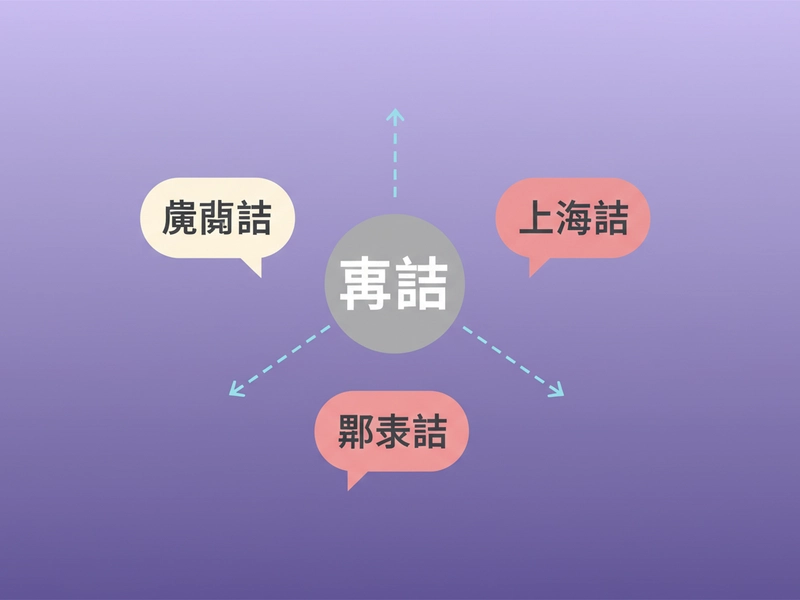
China is home to hundreds of dialects, often grouped into seven major families, including Cantonese, Shanghainese, and Hokkien. While Mandarin is the official language, many regions use their own dialects daily. Pinyin only represents Mandarin pronunciation, so speakers of other dialects use different romanization systems like Jyutping for Cantonese. These dialects are often mutually unintelligible due to divergent phonological evolution.
The Structure of Chinese Characters
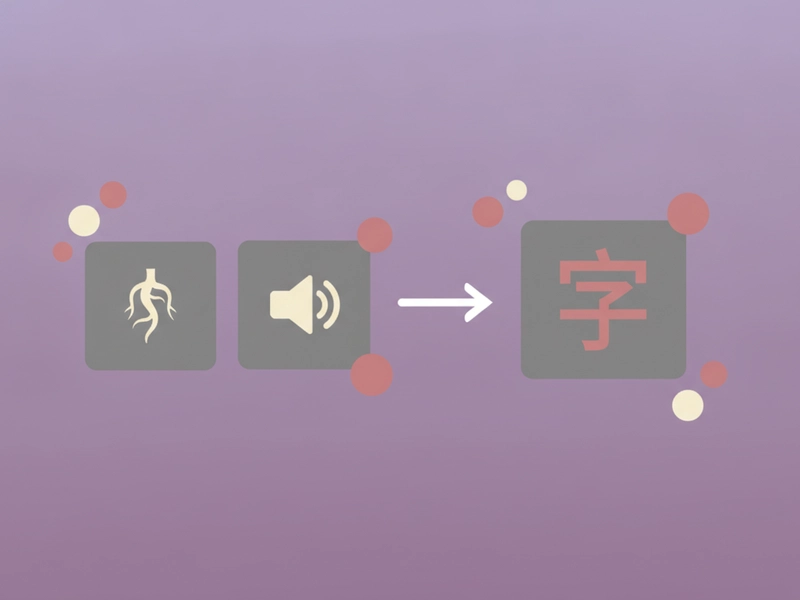
Chinese characters are logograms, each representing a word or morpheme. About ninety percent of characters are composed of a radical (indicating meaning) and a phonetic component (suggesting pronunciation), though the phonetic clue may be outdated due to sound changes over millennia, despite their occasional inaccuracy. This structure helps learners guess both meaning and sound. Radicals also serve as keys for dictionary indexing.
How the Converter Works for You
Two-Panel Workflow
The two-panel interface keeps Chinese text on the left and the requested pinyin draft on the right. Results appear only after submission, so you can compare each sentence, revisit ambiguous characters, and revise the input without losing sight of the source.
Direction Control
The tool always converts from hanzi to pinyin, not the reverse. You cannot reverse the process because pinyin alone cannot produce accurate Chinese characters due to homophones. This one-way direction keeps the focus on pronunciation and reading skills. Pinyin is an abstraction of sound, not a one-to-one mapping to characters.
Copyable Text Output
The result is selectable pinyin text with tone marks, ready to copy into notes or flashcards. Copying does not validate segmentation, spacing, punctuation, or pronunciation, so compare every important line against the hanzi and a trusted dictionary entry.
Clearly Labeled AI Draft
Every conversion is marked as an AI-generated draft. The pinyin is produced automatically and may contain occasional errors, especially with rare polyphonic characters. Always double-check important texts, and for critical applications, verify with a native speaker. The tool's output is a starting point, not a final authoritative source.
Frequently Asked Questions
Have other questions? Feel free to contact us via email.
Explore More Translator Tools
Check out these related translation and AI tools to enhance your experience
How to use hanzi to pinyin converter
Converting Chinese characters to pinyin is fast and simple. Follow these three easy steps.
Step 1: Enter Text
Type or paste simplified or traditional Chinese text within the 500-character limit. Include the full sentence when a character has several readings, because isolated names, abbreviations, and polyphonic characters can remain ambiguous.
Step 2: Translate
Choose Translate to request a pinyin draft with tone marks. Keep the hanzi visible while checking polyphonic characters, names, neutral tones, and tone changes; the model may select a plausible but unintended reading.
Step 3: Copy and Use
Review the output. Once you are satisfied, click the copy button to copy the pinyin to your clipboard. Use it for study, teaching materials, or pronunciation practice anywhere. The copied text retains tone marks and line breaks.
Start Converting with GuruTrans Hanzi to Pinyin Converter
Enter a short Chinese passage, request a tone-marked pinyin draft, and compare it with the hanzi. Verify polyphonic characters, names, neutral tones, and tone changes before using the result.