Cockney Rhyming Slang Translator for Reviewable Drafts
Explore established rhyming expressions without forcing an exaggerated accent. The two directions create an AI rewrite or plain-English explanation; neither represents how every Londoner speaks, so verify unfamiliar phrases before use.
Standard English
0 / 500
Cockney Rhyming Slang
The AI draft will appear here...
Cockney Rhyming Slang Draft Examples
These pairs demonstrate the rhyme-and-shortening mechanism with familiar examples. Actual usage varies, and a model can choose a dated or awkward phrase, so check both meaning and currency before copying one.
English
Take a look at this.
Translation
Have a butcher's at this.
Butcher's hook rhymes with look and can shorten to butcher's
English
Walk up the stairs.
Translation
Walk up the apples and pears.
Apples and pears rhymes with stairs
English
Use your head.
Translation
Use your loaf.
Loaf of bread rhymes with head and can shorten to loaf
English
My feet are aching.
Translation
My plates are aching.
Plates of meat rhymes with feet and can shorten to plates
English
Call me on the phone.
Translation
Call me on the dog and bone.
Dog and bone rhymes with phone
English
He is telling lies.
Translation
He's telling porkies.
Pork pies rhymes with lies and is reflected in porkies
Fun Facts and Cautions About Rhyming Slang
Origin Stories Are Not Settled
Rhyming slang is commonly linked with nineteenth-century East London traders and with speech outsiders could not readily follow. Those associations are useful context, but confident claims that it was invented on one occasion to cheat customers or evade police exceed the evidence. Language practices usually spread through communities rather than appearing from one documented plan.

Names Can Supply New Rhymes
Rhyming slang can draw on place names, personal names, and current cultural references as well as ordinary noun phrases. A clever rhyme may circulate briefly without becoming broadly established, and its meaning can vanish when the reference fades. Treat celebrity-name lists as evidence of wordplay, not proof that every listed expression is common in conversation.
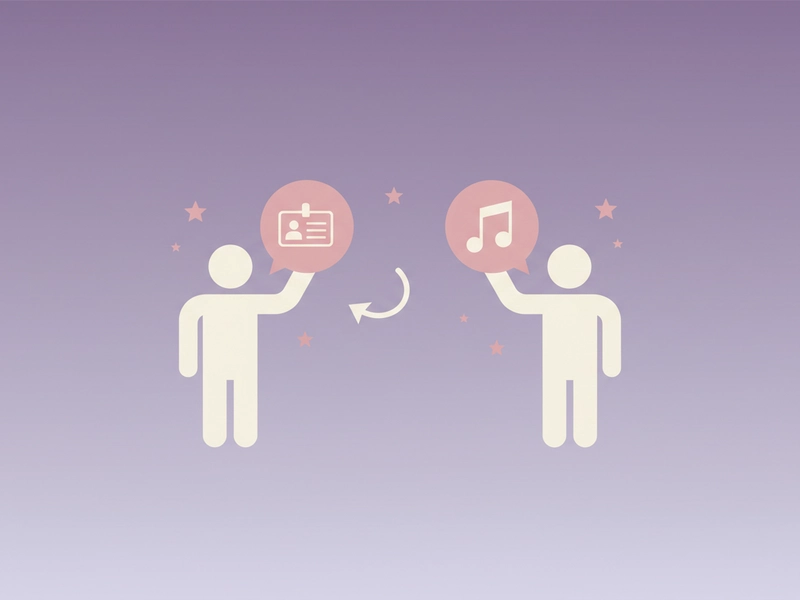
Rhyming Slang Mechanism and Review Tables
| Meaning | Full Phrase | Shortened Form | Rhyme Link |
|---|---|---|---|
| look | butcher's hook | butcher's | hook / look |
| stairs | apples and pears | apples | pears / stairs |
| head | loaf of bread | loaf | bread / head |
| feet | plates of meat | plates | meat / feet |
| phone | dog and bone | dog | bone / phone |
Recognizing Full and Shortened Forms
A useful reference separates the target meaning, full rhyming phrase, and shortened form instead of pretending they are interchangeable in every sentence. These familiar examples show the mechanism; they do not establish current frequency, speaker identity, or suitability for a particular conversation.
Review a Generated Expression
A plausible rhyme can still be fabricated, dated, or wrong for the sentence. Work backward from the output before copying it: recover the complete phrase, test the rhyme, confirm the intended target, and look for recent contextual evidence rather than trusting surface cleverness.
| Check | Question | Action |
|---|---|---|
| Expansion | What is the full phrase? | Reject an unexplained shortening |
| Rhyme | Which component rhymes? | Say both words and test it |
| Meaning | Did the source intent change? | Restore the original fact or tone |
| Currency | Is there recent contextual use? | Check more than one source |
| Speaker | Does it fit this character or relationship? | Prefer plain English if unsure |
How Cockney Rhyming Slang Works and Changes
Nineteenth-Century London Context
Cockney rhyming slang is documented in nineteenth-century London and became associated with working-class speech, especially the East End. Popular histories connect it with market traders and concealed conversation, but a neat single-purpose invention story is difficult to establish. The safest account distinguishes the period and community associations from claims about one inventor or motive today.

Cultural Identity Without Caricature
Rhyming slang appears in memories, performance, comedy, media, and discussions of London identity. Recognition does not equal everyday use, and Cockney communities are neither frozen in the nineteenth century nor reducible to a phrase list. Writers should research speaker, place, age, and period rather than adding stock expressions to create an exaggerated East End voice.

Phrases Travel and Change
Some rhyming expressions spread beyond their original communities, while others remain local, dated, playful, or newly coined. A phrase listed online may be understood without being used naturally. Currency also changes with public names and shared references, so decode from context and verify current examples instead of treating every published rhyme as established Cockney usage.
The Rhyming Word May Disappear
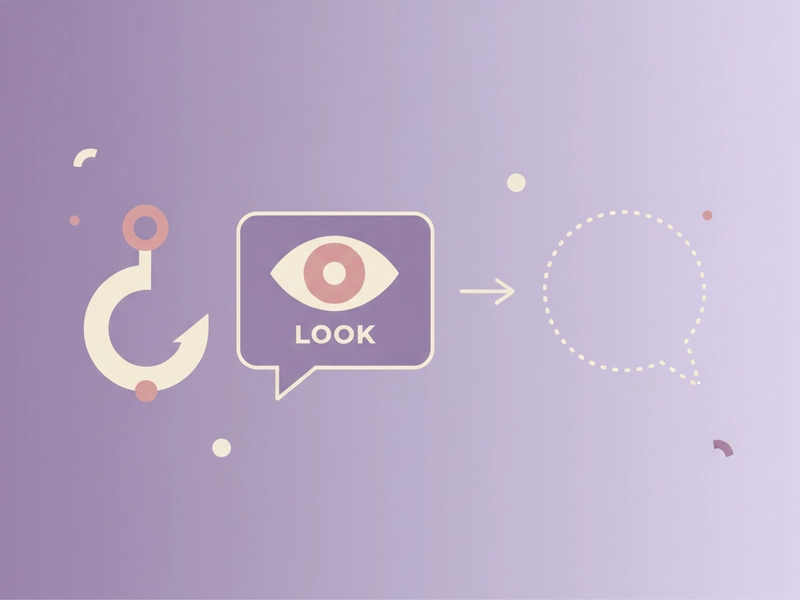
A full expression replaces a target word because one part rhymes: butcher's hook can stand for look. Speakers may then omit the rhyming component and say only butcher's, hiding the clue from anyone who does not know the pair. This optional shortening is central to decoding, but it does not mean every ordinary shortened phrase is rhyming slang.
Cockney Rhyming Slang Translator Features
Two-Panel Comparison
See the source beside the proposed rewrite or explanation. Comparing both panels helps reveal a changed fact, missing word, overused rhyme, or exaggerated register before the generated text leaves the page during a careful review.
Two Explicit Directions
Forward mode asks for established rhyming slang only where it fits; reverse mode asks the model to decode full and shortened forms into standard English. The chosen direction is sent with every request in practice.
Plain Copyable Output
Edit and copy the result as ordinary text from this page. The page does not generate pronunciation audio, an accent, a rhyme breakdown, historical citations, a personal glossary, or proof that a phrase is current.
AI Draft Reminder
The result is labeled as an AI-generated draft. Models can invent plausible rhymes or confuse an ordinary noun with a shortened expression, so verify both the full rhyming phrase and intended meaning before you copy.
Frequently Asked Questions
Understand the wordplay and the page's limits before using a generated phrase.
Explore More Translator Tools
Check out these related translation and AI tools to enhance your experience
How to Use the Cockney Rhyming Slang Translator
Choose a direction, preserve enough context for the model to resolve meaning, and edit the draft for rhyme, currency, tone, and audience before sharing it.
Step 1: Enter a Short Passage
Paste standard English for a rewrite or a rhyming-slang phrase for explanation. Include the surrounding sentence when a shortened form, ordinary word, or name could have more than one reading.
Step 2: Choose the Direction
Select standard English to Cockney rhyming slang or the reverse direction explicitly each time. Request the draft, then confirm that the server interpreted the input in the direction you intended.
Step 3: Check the Rhyme and Context
Carefully expand shortened phrases to test the rhyme, confirm the meaning stayed intact, and check a current source or knowledgeable speaker before using an unfamiliar expression in dialogue or conversation.
Explore a Rhyming Slang Draft
Rewrite or explain a short phrase, then expand the rhyme and verify its meaning, currency, audience, and historical fit before using it.