English to Nepali Translator for Short Text Drafts
Create a Nepali draft in Devanagari from English, or reverse the direction for English output. Check respect level, context, and consequential wording before sharing.
English
0 / 500
Nepali
Translation will appear here...
See the English to Nepali Translator in Action
These six sample drafts show the side-by-side format for greetings, travel, ordering, introductions, weather, and learning. They illustrate possible wording rather than certify one universally correct translation.
English
Good morning! How are you today?
Translation
शुभ प्रभात! आज तपाईंलाई कस्तो छ?
Daily greeting and well wishes
English
Please help me find the bus station.
Translation
कृपया मलाई बस स्टेशन पत्ता लगाउन मद्दत गर्नुहोस्।
Travel assistance request
English
I would like to order two cups of tea.
Translation
म दुई कप चिया अर्डर गर्न चाहन्छु।
Ordering food and drinks
English
What is your name? My name is John.
Translation
तपाईंको नाम के हो? मेरो नाम जोन हो।
Introducing oneself
English
The weather is very cold today, so take a jacket.
Translation
आज मौसम धेरै चिसो छ, त्यसैले ज्याकेट लिनुहोस्।
Weather-related advice
English
Can you speak slowly? I am learning Nepali.
Translation
के तपाईं बिस्तारै बोल्न सक्नुहुन्छ? म नेपाली सिक्दै छु।
Language learning conversation
Fun Facts About Nepali Language
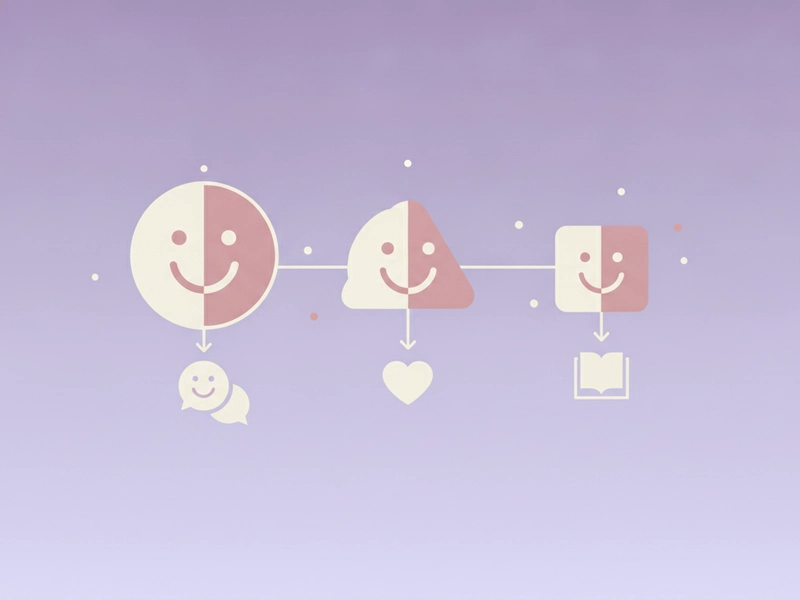
Respect Level Shapes More Than One Pronoun
Nepali offers different second-person choices associated with intimacy, familiarity, and respect. That choice can also affect nearby verb forms and other wording, so translating English “you” requires information about the relationship between speakers. A polite word elsewhere in the sentence is not enough to guarantee the intended level, making audience context essential for review.
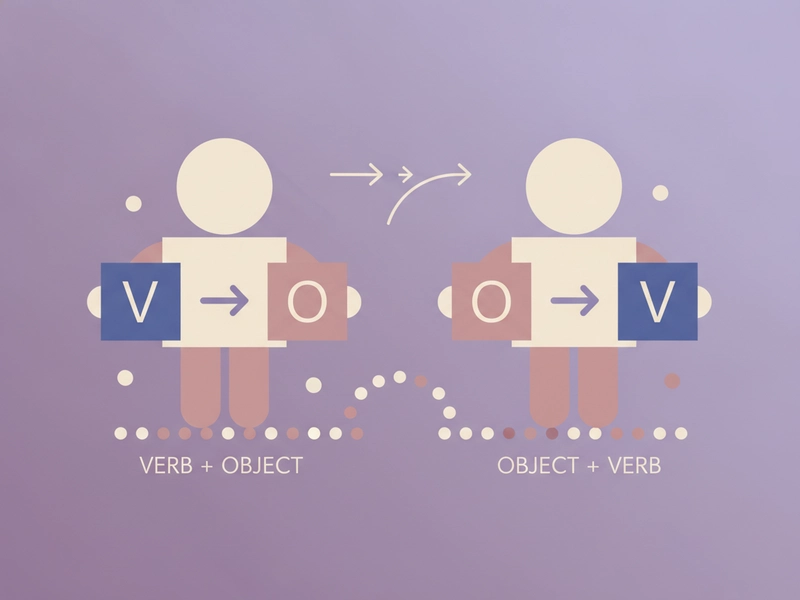
English and Nepali Place Verbs Differently
English commonly places the verb before its object, while unmarked Nepali clauses often place the verb later. Nepali also uses postpositions where English commonly uses prepositions. These patterns mean a readable translation has to interpret the whole sentence rather than replace words in sequence, and back-translation alone cannot confirm that every grammatical relationship remained intact.
Nepali Context and Devanagari Review References
| Context Area | Question to Answer | Why It Matters | Review Action |
|---|---|---|---|
| Relationship | How well do the speakers know each other? | Pronoun and verb choices can change | Describe the relationship in the source |
| Age and role | Is one person older or in authority? | Respect may be expected | Ask a fluent speaker if uncertain |
| Setting | Is the message personal or formal? | Register affects more than pronouns | State the setting explicitly |
| Request strength | Is this an invitation, request, or command? | Literal wording may sound too strong | Review the complete sentence |
| Number | Is “you” singular or plural? | English may leave this unclear | Add the intended number as context |
| Public text | Will the message address many readers? | Audience expectations may differ | Use an editor familiar with Nepali |
| Sensitive topic | Could wording affect dignity or safety? | A small tone error can matter | Use qualified human review |
| Consistency | Does the respect level stay stable? | Longer text can drift between forms | Check every reference to the audience |
Nepali Audience and Respect Checklist
Use this table before translating English “you” or writing a request. Instead of treating respect as a fixed three-row conjugation chart, it asks for the relationship, setting, and intended tone that the model cannot safely infer from a pronoun alone. The final column identifies when a fluent reviewer should choose the wording.
Devanagari Copy and Rendering Checklist
Use this checklist after copying a Nepali draft into another application. Devanagari combines base letters, vowel marks, and conjunct forms, so a visually plausible result still needs inspection after font changes or line wrapping. The table focuses on observable display checks rather than offering approximate pronunciations that could hide important sound distinctions.
| Display Area | What to Inspect | Suggested Action |
|---|---|---|
| Vowel marks | Marks remain attached to the intended consonant | Compare the pasted text with the output panel |
| Conjuncts | Joined consonants render as expected | Test with a Devanagari-capable font |
| Names | Transliterated names stay consistent | Confirm the preferred spelling with the person |
| Numbers | Dates and quantities remain unchanged | Read every number against the source |
| Punctuation | Sentence endings and brackets stay in place | Preview the final destination application |
| Line wrapping | Words do not split into confusing fragments | Check desktop and mobile layouts |
| Mixed Latin text | Email addresses and codes remain readable | Copy the exact Latin segment from the source |
| Final meaning | Visual correctness has not hidden a language error | Ask a fluent speaker to read the full sentence |
Discover More About Nepali Language
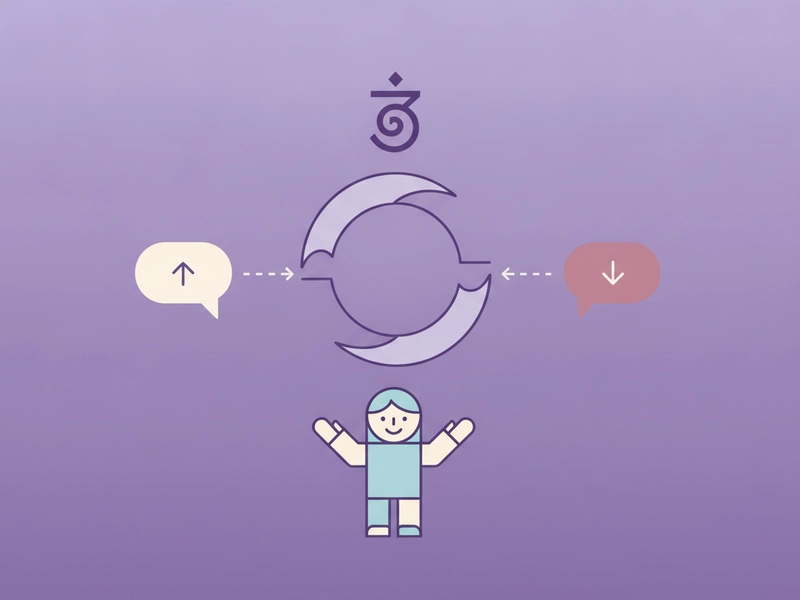
An Indo-Aryan Language with a Broad Literary Life
Nepali belongs to the Indo-Aryan branch of the Indo-European language family and developed from historical varieties of Khas speech. Its vocabulary reflects Sanskrit-derived forms alongside borrowing and contact with neighboring languages. Nepali is used in government, education, literature, media, and everyday communication in Nepal and by communities elsewhere, with spoken usage continuing to evolve across regions and generations.
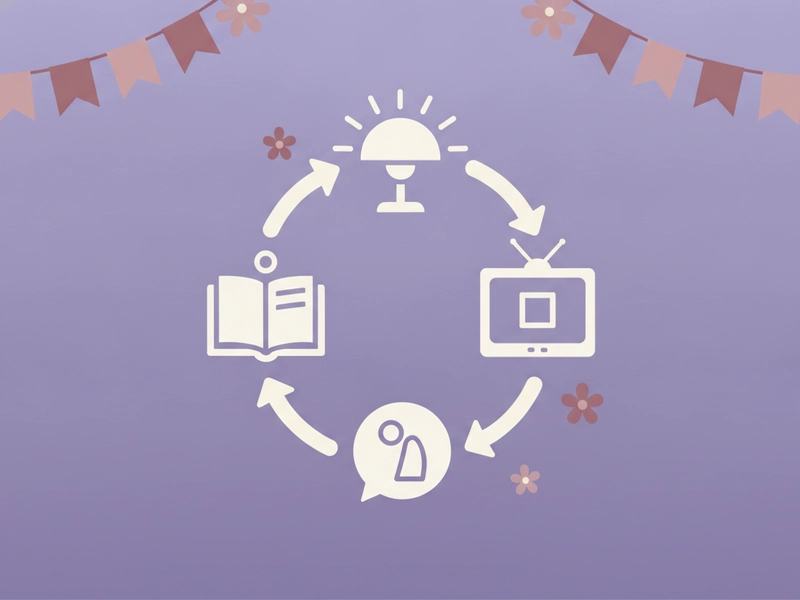
Cultural Significance in Daily Life
Nepali appears across family life, education, media, literature, ceremonies, and festivals such as Dashain and Tihar. Everyday speech can encode familiarity and respect through pronouns, verbs, titles, and other choices. Because those choices depend on age, relationship, and setting, an English sentence without specific audience context may support more than one socially appropriate Nepali rendering.
Regional and Community Variation Matters
Spoken Nepali varies across geography, generations, and communities, including differences in pronunciation, vocabulary, and preferred expressions. Standard written forms provide a shared reference but do not erase those differences. When a translation targets a known audience, state the region and situation in the source, then ask a speaker familiar with that community to review unfamiliar or sensitive wording.
Devanagari Encodes More Than Separate Letters
Nepali is written in Devanagari, where vowel marks combine with consonants and consonant clusters can form joined shapes. The visible line above many characters helps words appear connected, but Unicode text remains a sequence of code points. After copying a translation, check conjuncts, vowel marks, punctuation, and line breaks rather than assuming that every application will render the script identically.
Highlight Features of the Translator
Simple Two-Panel Workflow
The source remains in the left panel while the requested draft appears in the right panel. Keeping both visible makes changed names, numbers, and missing phrases easier to spot. On narrow screens the panels stack while preserving the same source-to-result order.
Direction Control
Use the direction control to switch between English-to-Nepali and Nepali-to-English. The input and output labels show the active pair for the next request. Reversing a draft can expose obvious drift, but it does not prove that the first translation is correct.
Copyable Text Output
The copy action places only the generated result on your clipboard. After pasting Devanagari into a message, document, or learning note, inspect vowel marks, conjuncts, punctuation, and line wrapping because the destination application controls final rendering.
Clearly Labeled AI Draft
The output is presented as an AI-generated draft rather than a certified translation. Review audience, meaning, and terminology before use, and involve a qualified professional when wording affects health, legal rights, deadlines, safety, or other consequential decisions.
Frequently Asked Questions
Have other questions? Feel free to contact us via email.
Explore More Translator Tools
Check out these related translation and AI tools to enhance your experience
How to use english to nepali translator
Follow these three steps to create and review a short English or Nepali draft.
Step 1: Enter Text
Type or paste English or Nepali into the left panel, then confirm the selected source language. Keep the request within 500 characters and include context for relationships, pronouns, and names.
Step 2: Translate
Click the Translate button to request an AI-generated draft in the target language. The interface displays a loading state during processing and places the completed result in the right panel.
Step 3: Copy and Use
Carefully compare the draft with the source, checking names, numbers, honorifics, and intended tone. Copy it when ready, but obtain qualified review for legal, medical, safety-related, or otherwise consequential text.
Start an English or Nepali Translation Draft
Create a short side-by-side draft, then review respect level, names, Devanagari rendering, and consequential details before sharing it.