Explore Short Sumerian Text Drafts
Use the two-direction text form to examine possible wording, then check signs, transliteration conventions, grammar, period, and genre with specialist sources.
English
0 / 500
Sumerian
The provider result will appear here...
Sumerian Transliteration Reference Pairs
These retained pairs demonstrate the Latin-character transliteration format shown in the page content. They are starting points for comparison, not readings tied to a cited tablet, period, or published sign list.
English
Water
Translation
a
The transliteration a beside the gloss water
English
Deity / sky
Translation
dingir / an
Two readings associated with the deity or sky sign
English
Lord
Translation
en
The transliteration en beside the gloss lord
English
King
Translation
lugal
The transliteration lugal beside the gloss king
English
Person
Translation
lú
The transliteration lu beside the gloss person
English
Place / earth
Translation
ki
The transliteration ki beside the gloss place or earth
Sumerian Notation and Review Aids
| Cuneiform | Transliteration | Gloss |
|---|---|---|
| 𒀀 | a | water |
| 𒀭 | dingir / an | deity / sky |
| 𒂗 | en | lord |
| 𒈗 | lugal | king |
| 𒇷 | lu | person |
| 𒆠 | ki | place / earth |
Small Sign Reference
These common sign values show why a transliteration and a meaning are separate layers. Readings depend on their position and surrounding text.
Evidence Checklist for a Source Passage
Record what the provider response lacks before treating any line as a source-based interpretation.
| Evidence | Question | Where to Verify |
|---|---|---|
| Signs | Which signs are actually present? | Edition or tablet image with line reference |
| Transliteration | Which readings and determinatives were chosen? | Published transliteration and sign list |
| Language | What period and genre fit the grammar? | Grammar and corpus for that setting |
| Translation | Which alternatives or damaged sections remain? | Commentary and specialist review |
What the Output Can and Cannot Tell You
Transliteration Is the Prompted Default
The forward instruction asks the provider for Sumerian cuneiform transliteration. There is no Unicode-versus-transliteration selector, so the page cannot promise a particular character representation or sign encoding.
The Model Does Not Identify a Source Edition
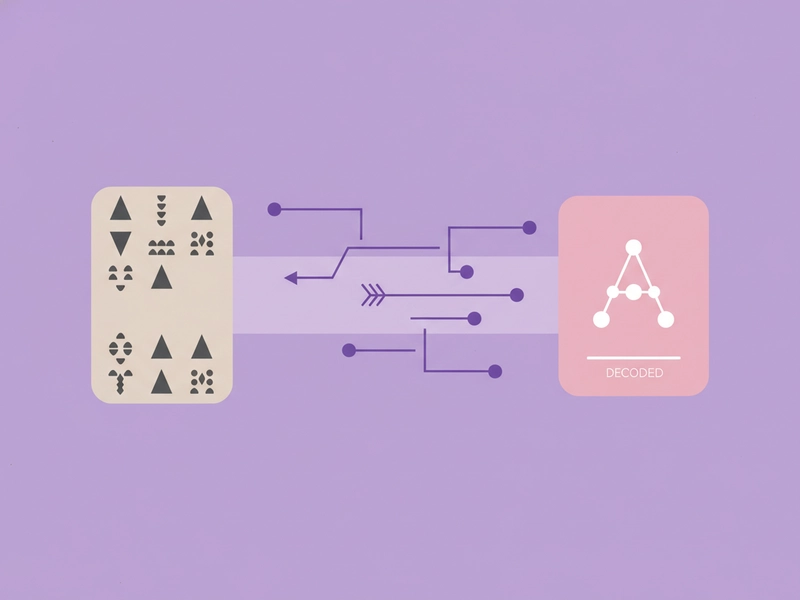
The request contains your text and a general instruction. It does not look up a tablet catalogue number, line reference, excavation record, or a named publication before composing the answer.
Access Is Metered on the Shared Route
Registered users receive five daily translations. After those are used, a completed request consumes one paid credit; a failed provider request is eligible for the route's credit-refund path.

Specialist Review Adds Source Evidence
For coursework, publication, museum labels, inscriptions, or quoted literature, compare the draft with a relevant edition and have a qualified reader inspect the result.
Current Sumerian Tool Behavior
These are the implemented boundaries of the universal text interface.
Two Prompt Directions
The swap control selects a forward transliteration instruction or a reverse modern-English instruction and can exchange existing panel text.
500 Characters in the Browser
The visible counter and client validation limit each page submission to 500 characters.
DeepSeek Provider Path
The page is not processed locally. /api/gemini meters the request and the compatibility queue sends it to DeepSeek.
Exploration, Not Certification
The result is not an academic translation and does not carry a tablet citation, editorial apparatus, or specialist sign analysis.
Sumerian Translator Questions
Details about access, notation, direction, and evidence.
Explore More Translator Tools
Check out these related translation and AI tools to enhance your experience
How to Work with a Sumerian Draft
Keep the request short, choose the intended direction, and plan a separate evidence check.
Step 1: Enter One Reviewable Passage
The browser form accepts text only and blocks input above 500 characters. Include enough wording to show relationships, but avoid combining unrelated sentences.
Step 2: Choose the Direction and Submit
The direction control changes the provider instruction between English-to-Sumerian transliteration and Sumerian-transliteration-to-English. A signed-in account is required by the shared route.
Step 3: Compare Signs, Period, and Genre
Check the response against a cited sign list, lexicon, grammar, and edition that match the source. Ask a Sumerian specialist or Assyriologist to review important use.
Try One Short Passage at a Time
Choose a direction, submit up to 500 characters, and compare the returned draft with source-specific references.