Playfair Cipher Translator
Encrypt or decrypt letters with a keyed 5×5 Playfair square. Merge I/J, add X fillers, and separate repeated X with Q in your browser.
0 / 10,000 characters
Examples
All examples use the key MONARCHY and a 5×5 I/J merged square. X fillers remain on decode; Q separates repeated X. Outputs are illustrative and depend on the selected key and direction.
English
HELLO
Translation
CFSUPM
Forward conversion with default settings
English
WORLD
Translation
VNMTBZ
Forward conversion with default settings
English
GOOD DAY
Translation
FNRHBRBW
Forward conversion with default settings
English
SECRET
Translation
LIDMKL
Forward conversion with default settings
English
MEET ME
Translation
CLKLCL
Forward conversion with default settings
English
FRIEND
Translation
KOKFRY
Forward conversion with default settings
Understand this tool
Digraph substitution
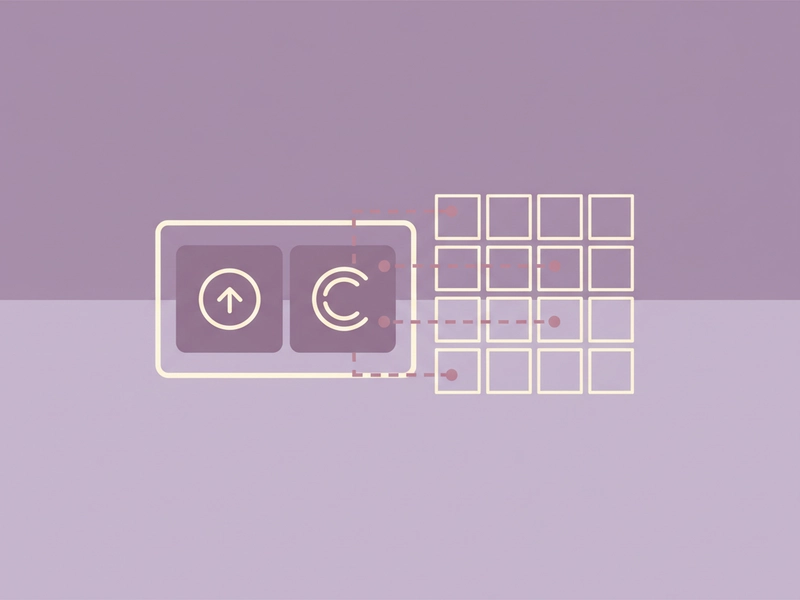
Playfair encrypts pairs of letters, not single letters. That means each digraph is transformed together using rows, columns, or the rectangle formed by its two letters in the key square. This makes the output different from a simple one-letter substitution cipher.
Fillers change the message
The X filler keeps odd-length text workable, and Q prevents an XX pair. On decode, those inserted letters remain unless you remove them manually. This is why decrypted text can show extra X characters that were not in the original plaintext.

Reference guide
| Input | Rule | Result |
|---|---|---|
| Key: MONARCHY | Write unique key letters, then remaining alphabet without J | MONAR / CHYBD / EFGIK / LPQST / UVWXZ |
| J | Merge J with I | I |
| Key: MONARCHY, letter H | Find row and column | Row 2, column 2 |
Building the 5×5 key square
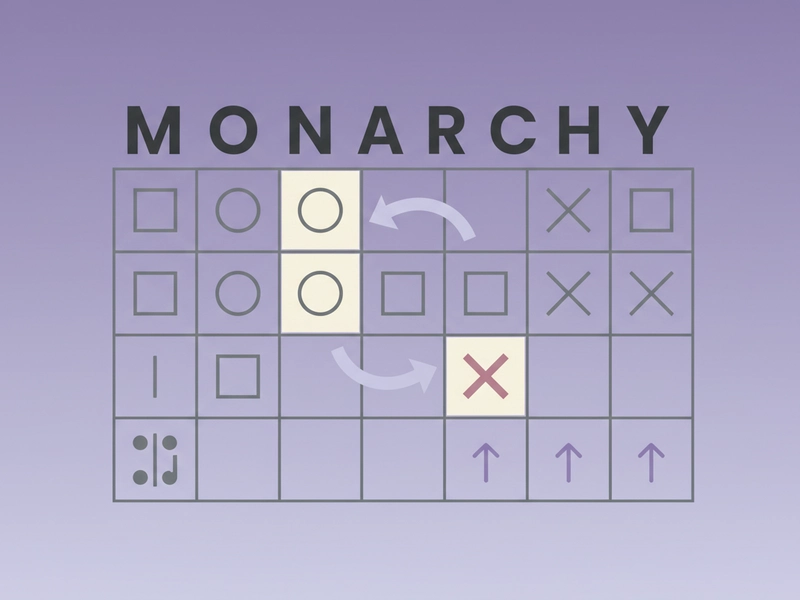
Playfair uses a 5×5 grid filled with a keyword first, then the remaining alphabet. I and J share one cell. Duplicate key letters are skipped. The grid below uses MONARCHY. Rows read left to right, and each letter has row and column coordinates.
Digraph preparation and fillers
Before encryption, remove spaces and split text into pairs. A repeated pair gets an X between the letters, except repeated X uses Q. A single leftover letter gets an X at the end. On decode, X fillers stay in the output unless you remove them manually.
| Input | Rule | Result |
|---|---|---|
| TREE | Double E gets X filler, odd length adds X | TREXEX |
| STUMP | Odd length adds X | STUMPX |
| XX | Q separates repeated X, then pad | XQXX |
Ways to use this tool
Create puzzle clues
Use a shared key to encrypt a short clue, then give players the ciphertext and key. The Playfair rules make the puzzle solvable with paper and pencil. Keep messages short and letters-only so X fillers and Q separators do not confuse the puzzle's expected answer.
Practice cipher mechanics
Students can encrypt a word, decrypt the result, and compare prepared digraphs with the final ciphertext. This shows how I/J merging, X fillers, and row or column shifts change a message. Use a fixed key like MONARCHY so exercises are easy to reproduce.
Check manual Playfair work
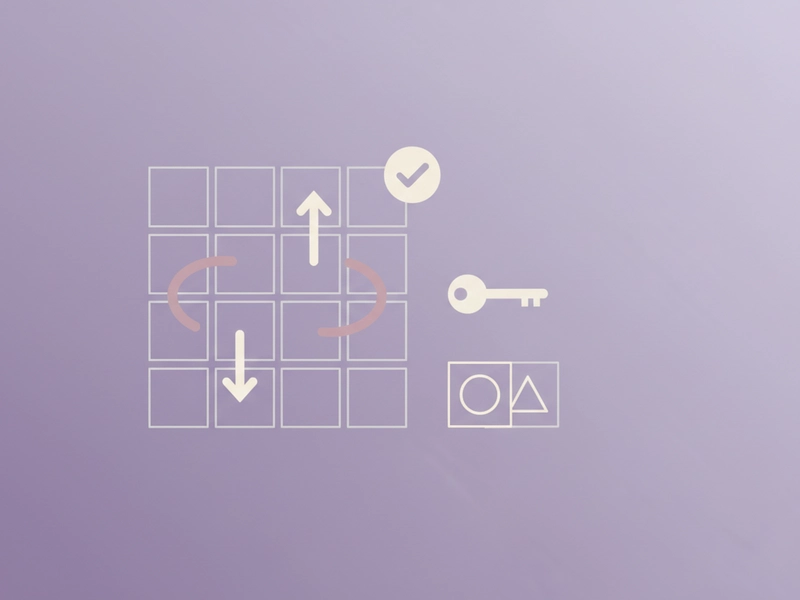
If you solve Playfair by hand, enter your key and ciphertext here to compare results. The tool follows the same 5×5 grid and digraph rules, so you can spot row, column, or rectangle mistakes. Remember that X fillers may remain on decode.
Encode game or story notes
For tabletop games or fiction, encrypt short notes so casual readers cannot instantly read them. This is a puzzle-level cipher, not modern security. Use letters only and a key known to your group, then copy the result into your notes or handout.

What you can do
Explore the Playfair Cipher Translator features and supported options.
Keyed 5×5 square
Build a Playfair square from any keyword, with I and J sharing one cell. The grid uses the same row and column rules for encryption and decryption.
Digraph handling
Process text in letter pairs. Same-row pairs shift right, same-column pairs shift down, and rectangle pairs swap columns. X fillers and Q separators are applied before encryption.
Local browser tool
Run the translator in your browser without sign-in or credits. Input is letters only, and the interface includes copy, download, example, and reset controls.
Decode with caveats
Decrypt ciphertext with the same key and square. X fillers remain in the output, and Q may appear where repeated X were separated, so manual cleanup can be needed.
Frequently asked questions
Related tools
Caesar Cipher Translator
Shift letters by 0–25 positions; preserve case and punctuation.
ROT13 TranslatorApply the reversible 13-position Latin letter substitution.
Tap Code TranslatorUse the 5×5 C/K merged grid. Encode letters as row.column pairs with / between words; decode dot-tap pairs or coordinates.
Bacon Cipher TranslatorUse five A/B symbols per letter; select modern 26-letter or historical 24-letter I/J and U/V merged alphabet.
How to use this tool
Step 1: Enter key and text
Type your keyword and the letters-only message. Choose encrypt or decrypt if the tool offers a direction control. For the sample, use key MONARCHY and plaintext HIDE THE GOLD IN THE TREE STUMP.
Step 2: Run the translator
Press the translate button. The tool builds the 5×5 square, prepares digraphs with X and Q rules, and transforms each pair. Review the result for length and obvious filler characters.
Step 3: Copy, download, or reset
Use copy or download to keep the result, example to load the sample, and reset to clear the fields. Remember that decrypted X fillers stay in the output and may need manual removal.
Try this tool
Encrypt or decrypt letters with a keyed Playfair 5×5 square in your browser.