English to Somali Translator with Two-Way Review
Need a quick way to translate English to Somali? Our English to Somali translator gives you an AI draft you can copy and use. Always double-check before sharing.
English
0 / 500
Somali
Translation will appear here...
Example Translations from English to Somali Translator
See how our English to Somali translator handles real phrases – from greetings to directions. Each example shows the English input and the Somali output you can expect.
English
Hello, how are you today?
Translation
Nabad, sidee tahay maanta?
Daily greeting between friends
English
Please help me find the hospital.
Translation
Fadlan iga caawi inaan helo isbitaalka.
Asking for directions in an emergency
English
Thank you very much for your kindness.
Translation
Aad baad ugu mahadsan tahay naxariistaada.
Expressing gratitude
English
I would like to order tea and bread.
Translation
Waxaan doonayaa inaan dalbado shaah iyo rooti.
Ordering food in a restaurant
English
Where is the nearest bus stop?
Translation
Xaggee buu yaallaa joogsiga baska ugu dhow?
Asking for public transport information
English
My name is Ahmed and I am from Somalia.
Translation
Magacaygu waa Axmed waxaana ka imid Soomaaliya.
Introducing yourself in a conversation
Fun Facts About Somali Language
A Young Written Language
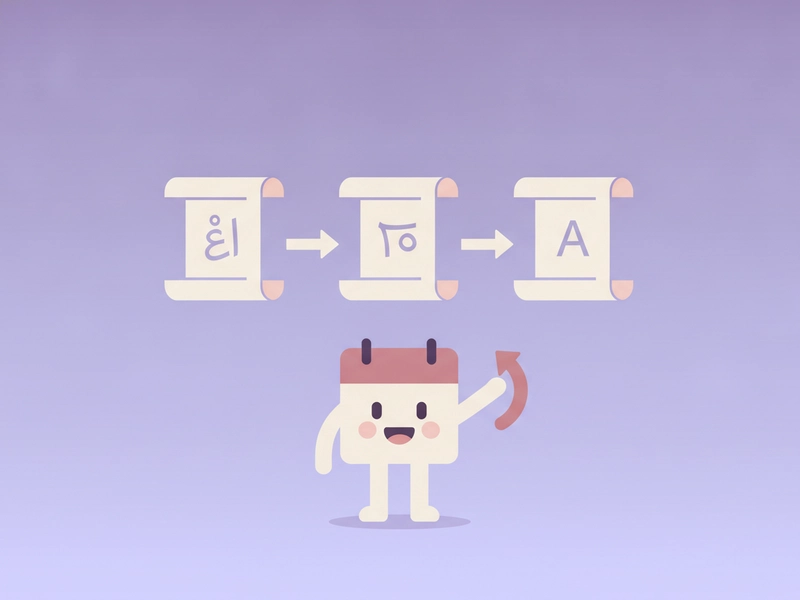
Somalia officially adopted a Latin-based national orthography on October 21, 1972. Earlier writers had used Arabic-based Wadaad writing and locally developed scripts such as Osmanya. The modern alphabet represents distinctive Somali sounds with familiar Latin letters: c is used for a sound related to Arabic ‘ayn, while x represents a strongly breathed sound.
Vowel Length Changes Meaning
In Somali, how long you say a vowel can change the whole word. For example, 'lag' means 'leg', but 'laag' means 'bend'. If you say a short vowel when a long one is needed, people might misunderstand. This is one of the trickiest parts for learners – but also very fascinating!

Key Language Tables to Help You Translate Better
| English | Somali | Pronunciation Guide |
|---|---|---|
| Hello | Nabad | nah-bahd |
| Good morning | Subax wanaagsan | soo-bakh waa-nag-san |
| Thank you | Mahadsanid | mah-had-sa-need |
| Please | Fadlan | fah-dlan |
| Yes | Haa | haa |
| No | Maya | my-yah |
| How much? | Waa imisa? | waa ee-mee-sa |
| I don't understand | Ma fahmin | mah fah-min |
Common English-Somali Phrases
This table pairs everyday English phrases with Somali equivalents for greetings, thanks, and simple questions. Read the examples as practical reference points, then check who is speaking and the level of formality. Pronouns, word order, and regional choices can change a phrase, so isolated rows should not be treated as complete grammar rules.
Somali Vowel Length – Minimal Pairs
Somali distinguishes short and long vowels, and length can separate words that otherwise look similar to an English learner. The table places minimal pairs side by side so the spelling pattern is visible. When translating unfamiliar terms, keep doubled vowels intact and confirm the intended word from the rest of the sentence.
| Short Vowel Word | Meaning | Long Vowel Word | Meaning |
|---|---|---|---|
| lag | leg | laag | bend |
| din | religion | diin | debt |
| bar | to learn | baar | to look |
| qor | to write | qoor | neck |
| tol | to sew | tool | tool |
| fur | to open | fuur | hole |
| lib | profit | liib | to defeat |
Discover More About Somali Language
History and Writing System
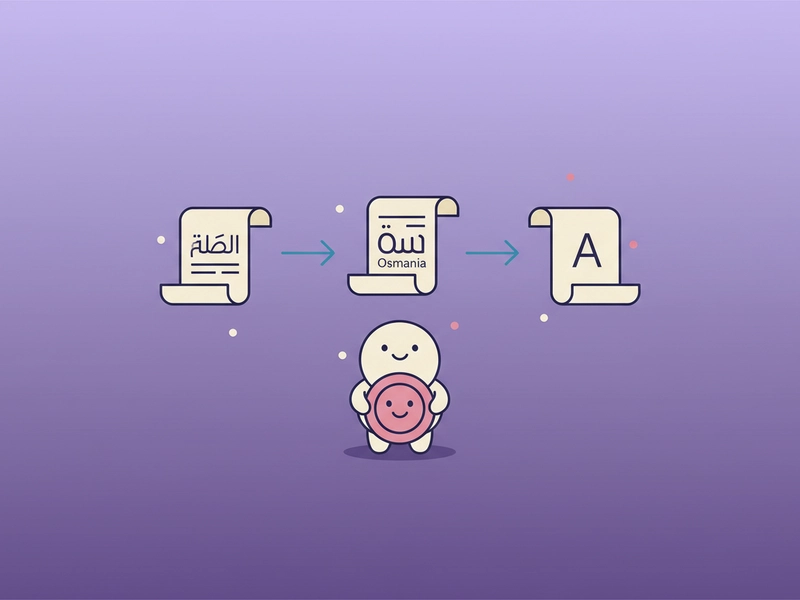
Somali belongs to the Cushitic branch of the Afroasiatic language family. A Latin-based national orthography was codified in 1972 after several writing systems had circulated. Modern spelling doubles long vowels, as in aa or oo, and uses c and x for consonants unfamiliar to many English readers. These conventions make script conversion possible, but they also deserve careful attention when names are translated.
Cultural Significance of Camel Vocabulary
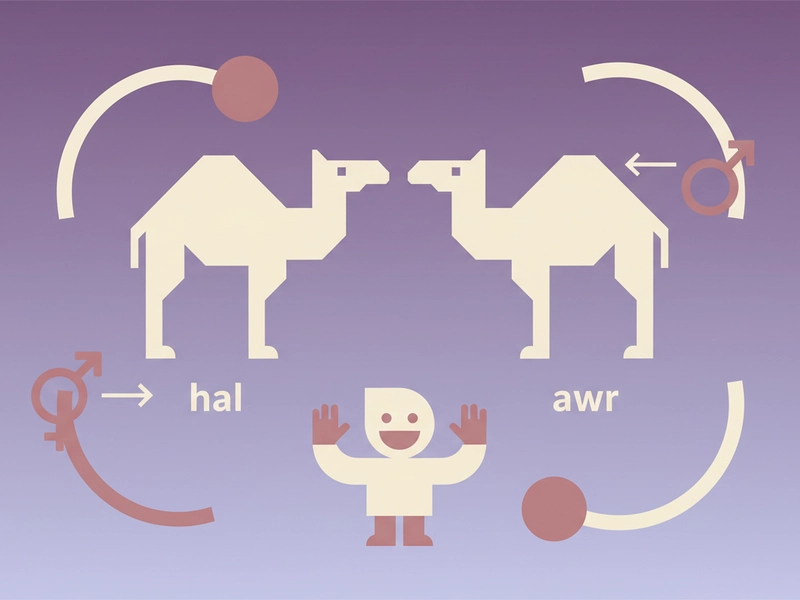
Pastoral life has shaped Somali vocabulary, oral poetry, and everyday comparisons. Camel-related words can distinguish age, sex, condition, or role, so a broad English word may hide a more specific Somali meaning. This does not mean every speaker uses the same term in every region. Context, community, and the purpose of the conversation help a translator choose an appropriate expression.
Regional Dialects and Variation
Somali varieties are commonly discussed in several broad groups, including Northern Somali, Benaadir, and Maay. Northern Somali provides much of the basis for Standard Somali, while coastal and southern varieties can differ in pronunciation, vocabulary, and sound systems. Some scholars classify certain varieties differently, so a translator should not treat every regional form as a simple accent of one standard.
Gender Marking in Somali Grammar
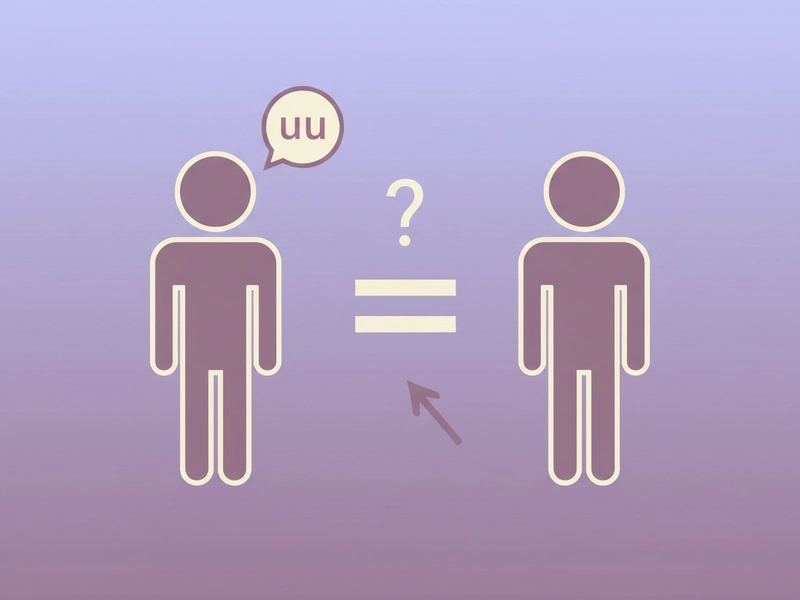
Somali grammar marks gender rather than removing it. Nouns can be masculine or feminine, and gender may also appear on focus particles, pronoun forms, and verbs. For example, masculine uu and feminine ay occur in common sentence patterns. English often leaves some of this agreement unspoken, so translation requires the surrounding noun and sentence structure, not a one-word substitution.
Highlights of GuruTrans English to Somali Translator
Two-Panel Workflow
The left panel keeps the source visible while the right panel shows the Somali draft. This side-by-side view makes it easier to compare names, doubled vowels, punctuation, and sentence boundaries without switching screens. When something looks unexpected, you can trace it directly back to the corresponding part of the English text.
Direction Control When Supported
Use English to Somali when composing a Somali draft, or reverse the direction when reading Somali text. The same control supports two different tasks without mixing their instructions. Changing direction does not identify a regional variety automatically, so include enough context for ambiguous words and grammatical markers.
Copyable Text Output
The result remains selectable text, allowing you to copy it into a message, note, or document without retyping Somali characters. Before sharing, compare proper names, long vowels, and dialect terms with the source. The copy action preserves the generated draft; it does not verify the wording or intended register.
Clearly Labeled AI Draft
Each result is labeled as an AI-generated draft so its limits remain visible. Somali agreement, gender marking, and regional vocabulary can depend on context that a short input does not provide. Review consequential messages with a fluent speaker, especially when a choice of pronoun, name spelling, or formal register matters.
Frequently Asked Questions
Have other questions? Feel free to contact us via email.
Explore More Translator Tools
Check out these related translation and AI tools to enhance your experience
How to Use English to Somali Translator
Using our translator is simple. Follow these three steps to get your Somali translation quickly.
Step 1: Enter Text
Type or paste a short English or Somali passage within the 500-character limit. Include enough surrounding text to clarify pronouns, gender agreement, names, and regional vocabulary, but do not paste a document or sensitive information.
Step 2: Translate
Click the 'Translate' button to start the translation. In just a moment, the Somali draft will appear in the output area. The tool works for both English-to-Somali and Somali-to-English directions.
Step 3: Copy and Use
Read the translation and copy it to your clipboard. Use it in messages, emails, or documents. Remember that this is an AI draft, so review it for accuracy before sharing with others.
Start Translating with GuruTrans English to Somali Translator
Enter a short English or Somali passage, request an AI-generated draft, and compare both panels before using it. Check names, long vowels, agreement, register, and regional vocabulary before sending.