Japanese to Romaji Translator – Convert Japanese Text to Roman Letters
Add a furigana and Hepburn-style romaji draft to short Japanese text while keeping the source visible. Review ambiguous kanji, names, particles, and long vowels before using the result.
Japanese
0 / 500
Romaji + Furigana
Translation will appear here...
Japanese to Romaji Translator Examples – See It in Action
These six samples illustrate possible furigana and Hepburn-style romaji drafts for greetings, travel wording, and longer sentences. Compare each reading with the Japanese source and a trusted reference.
English
おはようございます。今日は元気ですか?
Translation
おはようございます。今日(きょう)は元気(げんき)ですか? / Ohayō gozaimasu. Kyō wa genki desu ka?
Morning greeting to a friend
English
この寿司はとてもおいしいです。
Translation
この寿司(すし)はとてもおいしいです。 / Kono sushi wa totemo oishii desu.
Talking about food at a restaurant
English
駅への道を教えてください。
Translation
駅(えき)への道(みち)を教(おし)えてください。 / Eki e no michi o oshiete kudasai.
Asking for directions
English
私は大学で日本語を勉強しています。
Translation
私(わたし)は大学(だいがく)で日本語(にほんご)を勉強(べんきょう)しています。 / Watashi wa daigaku de Nihongo o benkyō shiteimasu.
Student sharing their study routine
English
助けてくれてありがとうございます。
Translation
助(たす)けてくれてありがとうございます。 / Tasukete kurete arigatō gozaimasu.
Expressing gratitude after receiving assistance
English
富士山は日本で一番高い山です。
Translation
富士山(ふじさん)は日本(にほん)で一番(いちばん)高(たか)い山(やま)です。 / Fujisan wa Nihon de ichiban takai yama desu.
Talking about a famous landmark
Fun Facts About Japanese Romaji
Multiple Romaji Standards Exist
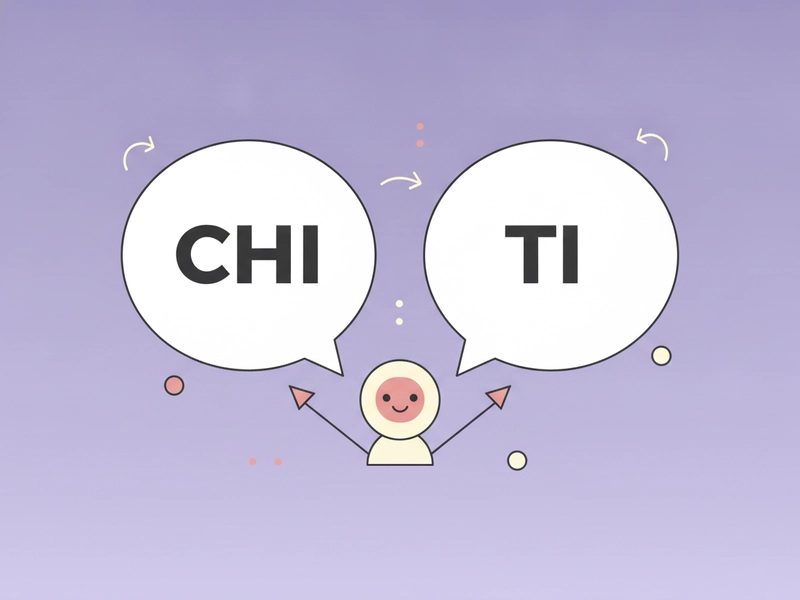
Did you know the same Japanese word can be written differently in romaji? For example, ち can be chi (Hepburn) or ti (Kunrei). Hepburn is popular worldwide, but Japan’s government uses Kunrei. In 1937, Kunrei was adopted as official, yet everyday life still favors Hepburn!
Romaji Was Once Proposed to Replace Kanji
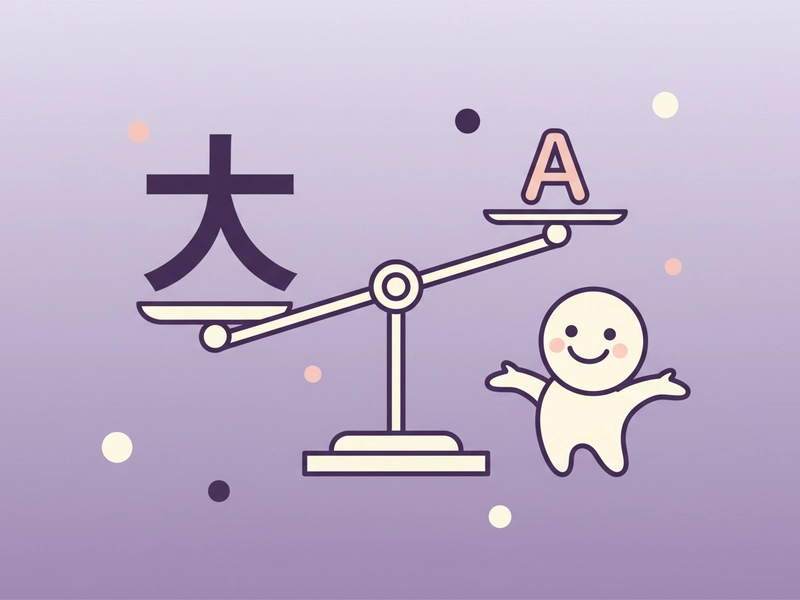
After WWII, some reformers, including notable educators and linguists, proposed abandoning kanji and adopting only romaji for Japanese writing. This radical idea faced strong cultural resistance from traditionalists who valued kanji's historical and artistic significance. Today, romaji remains a supplementary tool rather than a primary script, used mainly in technology, language learning, and international communication, such as smartphone input, street signs, and beginner textbooks.
Reference: Hiragana vs Romaji Mapping Table
| Hiragana | Romaji (Hepburn) | Romaji (Kunrei) |
|---|---|---|
| あ | a | a |
| い | i | i |
| う | u | u |
| え | e | e |
| お | o | o |
| か | ka | ka |
| き | ki | ki |
| く | ku | ku |
| け | ke | ke |
| こ | ko | ko |
| さ | sa | sa |
| し | shi | si |
| す | su | su |
| せ | se | se |
| そ | so | so |
Standard Hiragana to Romaji (Hepburn & Kunrei)
This table displays how basic hiragana characters convert under two popular romaji systems: Hepburn and Kunrei-shiki. It lists each kana along with its romanized forms, showing differences such as the rendering of 'し' as 'shi' (Hepburn) or 'si' (Kunrei). Additionally, the table covers special characters like the small tsu (っ) used for gemination. Useful for learners checking pronunciation or comparing systematic variations.
Ambiguous Characters – System Differences
Certain kana like つ (tsu) and ち (chi) have different romaji spellings across systems. For example, つ is 'tsu' in Hepburn but 'tu' in Kunrei-shiki; ち is 'chi' in Hepburn and 'ti' in Kunrei. This table also lists other tricky kana such as ふ (fu/hu) and じ (ji/zi), helping you understand each system and choose your preferred romanization.
| Hiragana | Hepburn | Kunrei | Nihon-shiki | Common Mistake |
|---|---|---|---|---|
| つ | tsu | tu | tu | tzu |
| ち | chi | ti | ti | tsi |
| ふ | fu | hu | hu | fu |
| じ | ji | zi | zi | ji |
| づ | zu | zu | du | dzu |
| ぢ | ji | zi | di | dzi |
| を | o | wo | wo | o |
| ん | n | n | n | m (before p/b/m) |
Discover More About Japanese Language
History of the Japanese Writing System
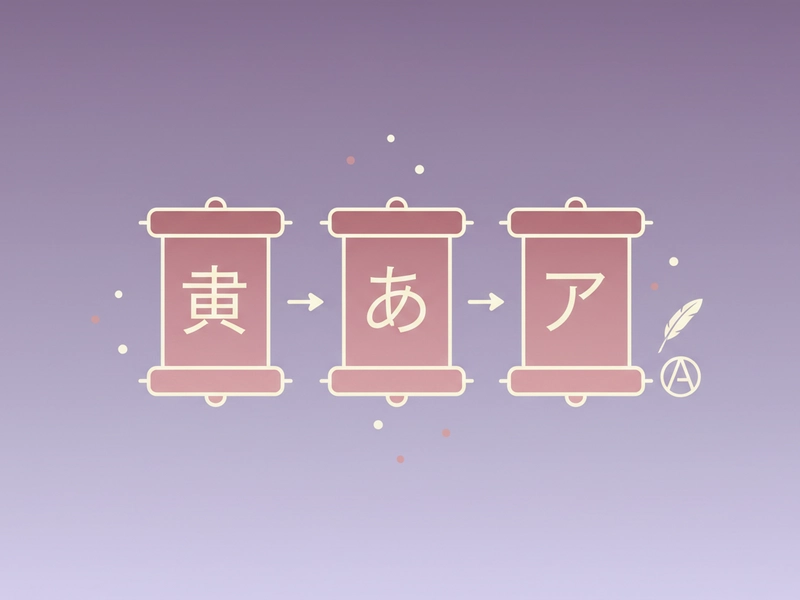
Japanese uses three scripts: kanji from Chinese, and native hiragana and katakana. Kanji were introduced around the 5th century, and over time, hiragana evolved from cursive simplifications of kanji, while katakana emerged from shorthand Buddhist notations. Romaji, the Roman alphabet transcription, arrived later with Western contact in the 16th century, first used by Portuguese missionaries to romanize Japanese sounds for their dictionaries and religious texts.
Cultural Significance of Romaji
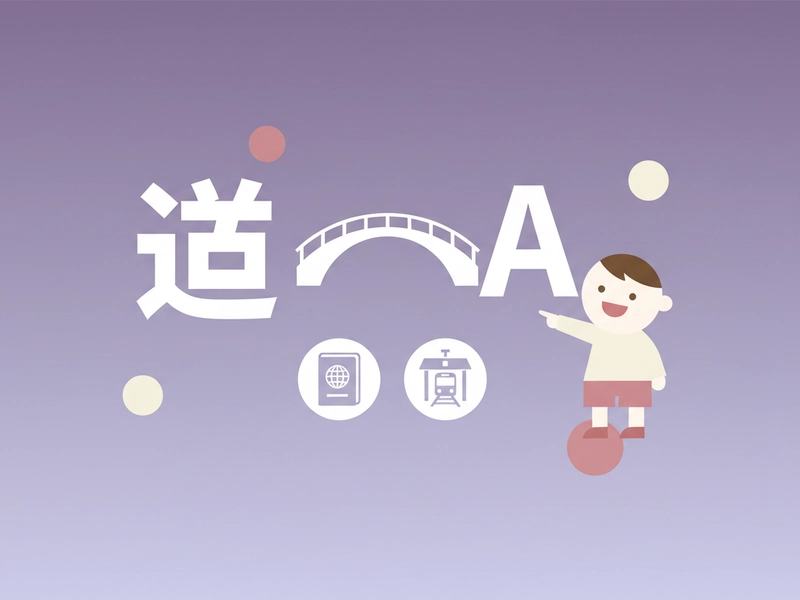
Romaji is not a native Japanese script but a practical bridge for foreigners in Japan. It appears on street signs, passports, station signs, product labels, and business cards. In elementary schools, children learn romaji in third grade as a stepping stone to English. It helps non-native speakers navigate cities, read restaurant menus, identify train stations, and understand public transport signs.
Regional Dialects and Pronunciation
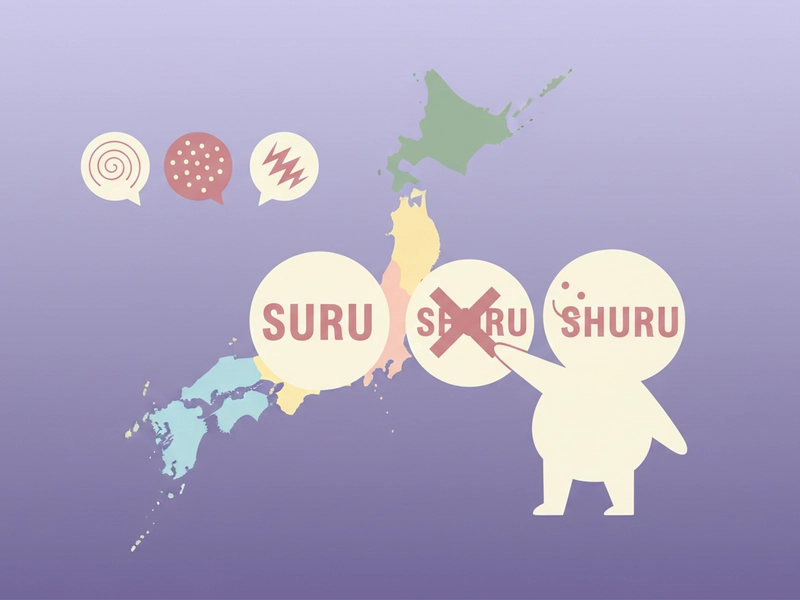
Japanese has many regional dialects, such as Kansai-ben, Tohoku-ben, and Kyushu-ben. Standard Japanese (hyojungo) is uniform in writing, but romaji conversion varies for words pronounced differently across dialects. For instance, the verb “suru” (to do) becomes “shuru” in some Kansai areas, altering the romaji output. This dialectal variation challenges accurate romanization, especially when converting spoken Japanese to text while preserving original pronunciation.
Interesting Linguistic Facts
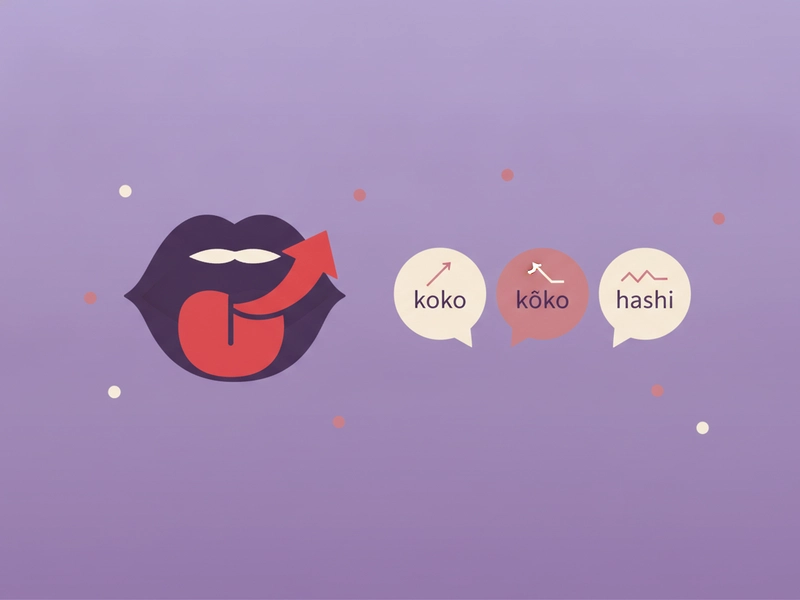
Japanese lacks the “l” sound; its “r” is a flap similar to Spanish. Long vowels like ō and ū are crucial because they change meaning, as in koko (here) versus kōkō (high school). Japanese uses pitch accent rather than stress, making romaji helpful for learners to grasp pronunciation patterns. For instance, the word hashi means chopsticks or bridge depending on pitch.
Highlight Features of GuruTrans Japanese to Romaji Translator
Two-Panel Workflow
The side-by-side layout keeps the Japanese source on the left and the requested furigana plus romaji draft on the right. Results appear after submission, allowing you to compare each reading without losing the original sentence or punctuation.
Direction Control When Supported
This profile is one-way from Japanese to furigana and Hepburn-style romaji. It does not accept romaji as a reverse input or expose a direction switch, because one romanized spelling can correspond to several kana, kanji, words, or names.
Copyable Text Output
The romaji result appears in a dedicated plain-text output box, which you can copy with a single click. No extra formatting, such as punctuation or line breaks, needs to be removed. This makes it easy to paste the conversion into other applications or documents, simplifying workflow for students and professionals.
Clearly Labeled AI Draft
The generated romaji conversion is clearly marked as an AI draft, indicating that it may contain errors. Accuracy can vary depending on the input text, especially for uncommon words or complex kanji. We recommend carefully reviewing the output before using it in formal writing, academic work, or official documents.
Frequently Asked Questions
Have other questions? Feel free to contact us via email.
Explore More Translator Tools
Check out these related translation and AI tools to enhance your experience
How to Use Japanese to Romaji Translator
Follow these three simple steps to convert any Japanese text into romaji with GuruTrans.
Step 1: Enter Text
Type or paste a Japanese passage within the 500-character limit. Kanji, hiragana, and katakana can appear together; include the full sentence so the model has context for names, particles, and ambiguous readings.
Step 2: Translate
Choose Translate to request Japanese with furigana followed by a Hepburn-style romaji line. There is no system selector, so check long vowels, particles, names, and kanji readings against a trusted reference.
Step 3: Copy and Use
Compare the aligned draft with the source, then copy the plain-text result if useful for notes or pronunciation practice. The page has no file download and does not certify the selected reading.
Start Converting with GuruTrans Japanese to Romaji Translator Now
Enter a short Japanese passage, request aligned furigana and Hepburn-style romaji, and compare every reading with the source. Verify names, particles, long vowels, and ambiguous kanji before use.