Semaphore Translator – Text and Flag-Pose Tokens
Encode short text as front-view flag-semaphore poses or decode normalized SEM tokens. The output is an AI-generated learning draft, not image recognition or an operational signaling instruction, so compare it with your chosen chart.
Text
0 / 500
Semaphore Signals
The draft will appear here...
Semaphore Translator Token Examples
These examples show the normalized text exchanged with the page renderer. Forward mode turns each SEM token into a labeled SVG pose; the token string remains available for copying and reverse decoding.
English
HELLO
Translation
SEM:H SEM:E SEM:L SEM:L SEM:O
Encoding HELLO as normalized semaphore tokens
English
SIGNAL
Translation
SEM:S SEM:I SEM:G SEM:N SEM:A SEM:L
Encoding SIGNAL as normalized semaphore tokens
English
READY
Translation
SEM:R SEM:E SEM:A SEM:D SEM:Y
Encoding READY as normalized semaphore tokens
English
FLAGS
Translation
SEM:F SEM:L SEM:A SEM:G SEM:S
Encoding FLAGS as normalized semaphore tokens
English
SHIP
Translation
SEM:S SEM:H SEM:I SEM:P
Encoding SHIP as normalized semaphore tokens
English
PRACTICE
Translation
SEM:P SEM:R SEM:A SEM:C SEM:T SEM:I SEM:C SEM:E
Encoding PRACTICE as normalized semaphore tokens
Fun Facts About Visual Semaphore Systems
Chappe's Telegraph Was a Different System
Claude Chappe developed a tower-based optical telegraph in 1790s France, and the word semaphore became associated with visual signaling. Its movable mechanical arms were observed from one station to the next. This historical network is not the same alphabet as a person holding two flags, even though both systems communicate through visible positions.

Flags by Day, Lighted Wands by Night
A U.S. naval museum guide describes flag semaphore as acceptable for daylight emergency communication and notes that lighted wands can replace flags at night. Visibility, training, and agreed procedure still matter. A browser diagram can support study, but it cannot establish a reliable signaling link or replace official instructions during an emergency.
Semaphore Token and Visual-System References
| Review | Expected Form | Example | If It Differs |
|---|---|---|---|
| Letter | SEM:A to SEM:Z | SEM:H | Correct the token |
| Word break | Slash token | / | Restore the intended space |
| Perspective | Front view | Receiver faces signaller | Use a matching chart |
| Literal token | Digit or punctuation | 7 or ? | Do not assume a pose |
Normalized Output Checklist
The page separates model output from drawing logic: the AI returns SEM letter tokens, and the browser maps recognized tokens to a fixed front-view SVG pose. Review token count, slash word breaks, literal punctuation, and source spelling before treating the display as a useful study draft.
Do Not Mix Three Visual Systems
The word semaphore appears in several historical contexts, but similar vocabulary does not make their codebooks interchangeable. Separate handheld flag-letter poses from maritime flag hoists and from Chappe's mechanical optical telegraph. This page implements only normalized A–Z tokens for one front-view handheld display.
| System | Physical Form | Unit Encoded |
|---|---|---|
| Flag semaphore | Two handheld flags or arms | Letter pose |
| Maritime flag hoist | Named flags on a halyard | Flag identity or group |
| Chappe telegraph | Mechanical arms on towers | Historical coded positions |
Learn How Semaphore Fits into Visual Communication
From Optical Towers to Handheld Flags
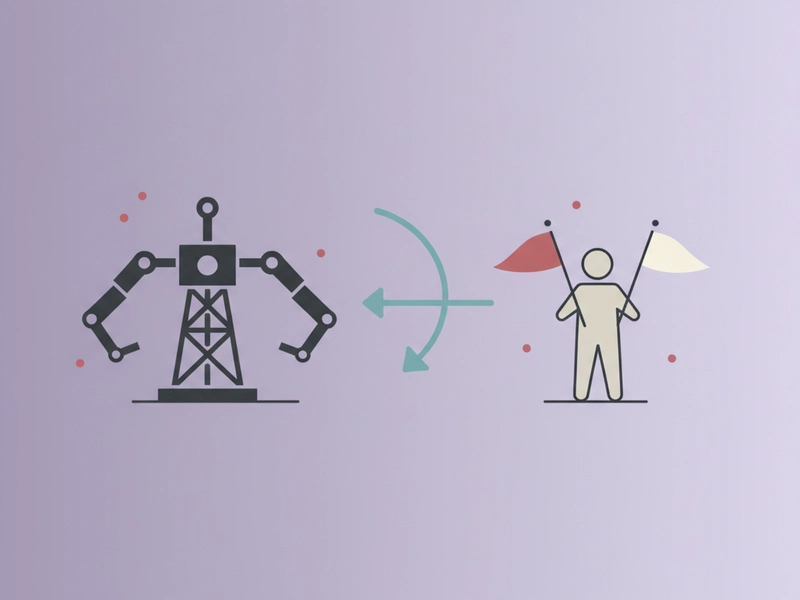
Chappe's optical telegraph and later handheld flag semaphore share the idea of encoding information as visible positions, but their mechanisms and codebooks differ. The French network used mechanical arms on towers and relays between stations. Handheld semaphore assigns letters to a signaller's two-arm poses, a system later associated with maritime and military visual communication systems.
A Maritime Method, Not a Flag Hoist
Flag semaphore became one of several visual methods used in maritime settings. It should not be confused with hoisting International Code of Signals flags, where flag identities and combinations carry meanings. Museums, naval training material, and scouting activities still teach handheld poses as communication history and as a practical exercise in careful sending and receiving.
Sender and Receiver Need the Same View
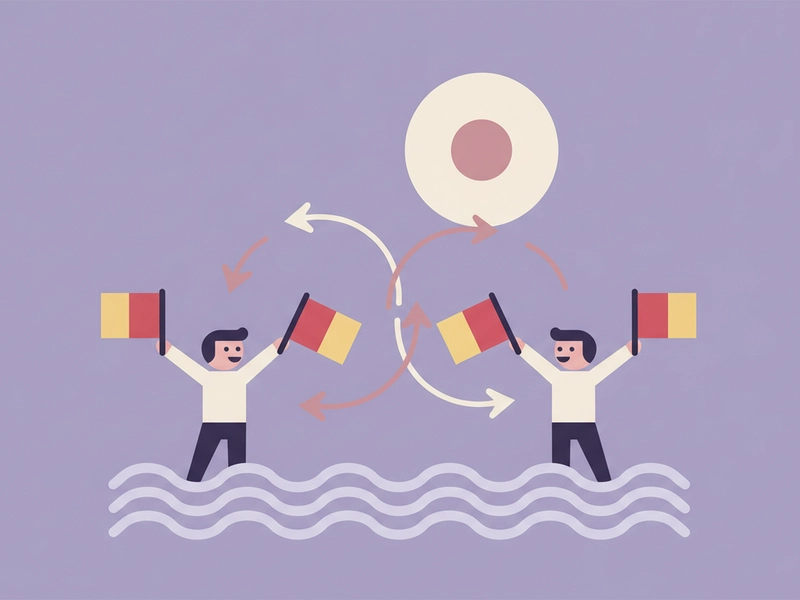
A semaphore chart may be drawn from the signaller's perspective or from the observer's front view, which can mirror left and right. Diagrams also choose different angle conventions. Before comparing coordinates, confirm the viewing perspective, neutral position, and letter chart. This page explicitly renders a front view and clearly labels each SVG with its letter.
A Pose Sequence Needs Procedure
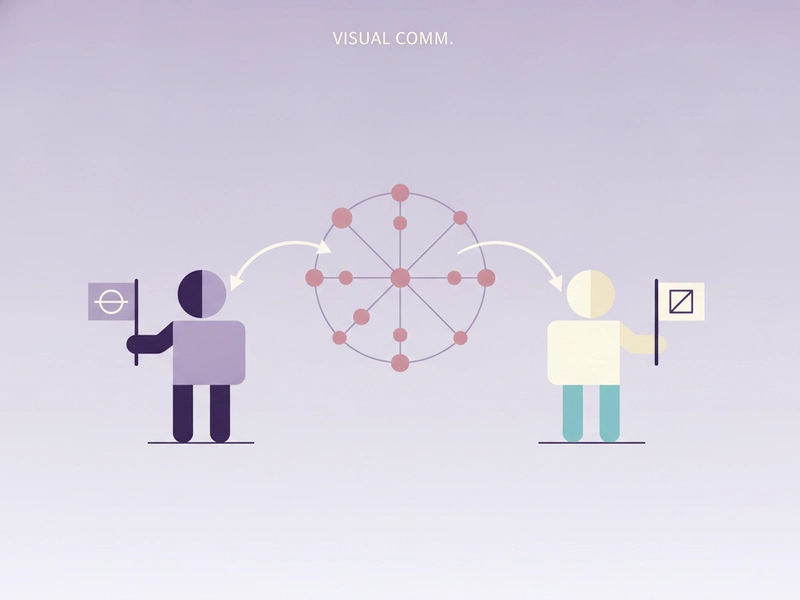
In handheld flag semaphore, a letter is represented by a defined pair of arm directions. The receiver reads a sequence of poses with word breaks and procedural signals supplied by the relevant method. Clear line of sight, an agreed perspective, deliberate timing, and trained confirmation are part of real signaling; static SVG cards show only letter poses.
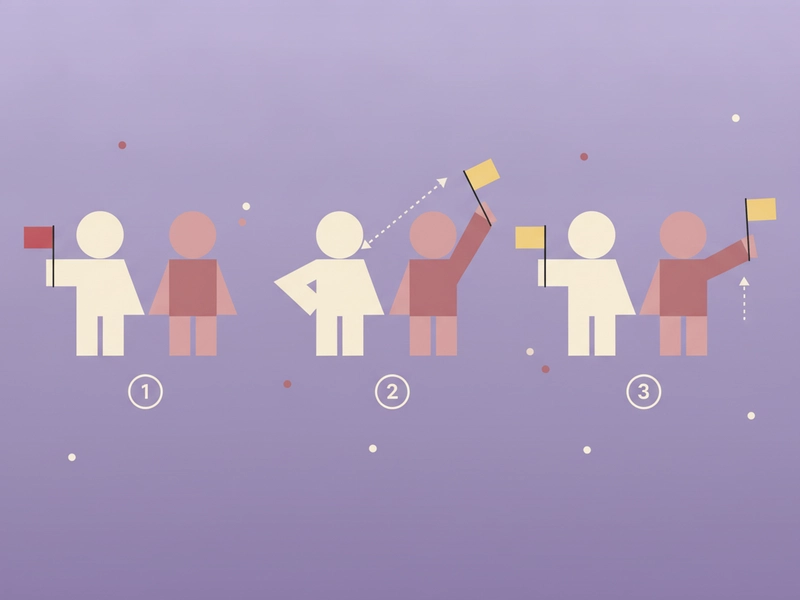
Semaphore Translator Features
Two-Panel Review
View source text in the left panel and normalized tokens with SVG flag poses in the right panel. Each graphic has an accessible label and visible letter, helping you compare sequence length, spelling, and word breaks during review.
Explicit Direction Control
Choose the direction explicitly. Forward mode accepts A–Z text; reverse mode expects SEM:A through SEM:Z with slash tokens for spaces. It does not automatically recognize a person, photograph, drawing, or pair of angle coordinates.
Copyable Token Output
Copy the normalized token sequence after reviewing its SVG poses. A text form travels between browsers and notes more predictably than a special flag font, while retaining enough information for this page to render each letter again.
Clearly Labeled AI Draft
The output is labeled as an AI-generated draft because the model may omit, reorder, or invent tokens. Compare it against an authoritative chart and trained procedure; do not use this educational page for distress, navigational, or safety-critical traffic.
Frequently Asked Questions
Review common scope, format, and safety questions before using the learning draft.
Explore More Translator Tools
Check out these related translation and AI tools to enhance your experience
How to Use the Semaphore Translator
Select a token direction, submit a short learning example, and inspect every rendered pose against the same front-view semaphore chart before copying the result.
Step 1: Choose a Direction
Choose text-to-semaphore for A–Z text or semaphore-to-text for normalized tokens such as SEM:A. Paste the source into the left panel; reverse mode does not interpret raw angles, photos, or video.
Step 2: Create the Draft
Select Translate to request a token sequence or decoded text. In forward mode, the browser renders each recognized SEM token as an accessible front-view SVG pose while preserving the copyable token string.
Step 3: Review the Poses
Compare every letter with the chart used by your course or organization. Copy the reviewed token string for study notes, never as a substitute for trained emergency or maritime signaling procedure.
Create a Reviewable Semaphore Learning Draft
Create a short SEM token sequence with accessible SVG flag poses, or decode normalized tokens back into text. Use it for study only and verify every pose with your authoritative chart.