Legalese to Plain English Translator for Careful Review
Paste a short clause and receive an AI-generated explanation beside the source. Do not rely on it for rights, deadlines, money, liability, filing, or signing decisions; verify those matters with an appropriately qualified legal professional.
For explanation and education only; this is not legal advice. Confirm rights, deadlines, obligations, and jurisdiction-specific meaning with a qualified legal professional.
Legalese
0 / 500
Plain English
An educational AI explanation will appear here...
Illustrative Legalese Explanations
These pairs show the type of explanation the tool may draft. They deliberately preserve uncertainty and point back to definitions or scope; they are examples, not interpretations of any real agreement or statement of law.
English
The Lessee hereby agrees to indemnify and hold harmless the Lessor from any and all claims.
Translation
Possible explanation: the tenant may have duties to reimburse or protect the landlord against claims covered by this clause. Check its definitions, exceptions, and local law.
Rental lease liability clause translation
English
The Recipient shall not disclose any Confidential Information to any third party without prior written consent.
Translation
Possible explanation: the recipient generally must not disclose defined Confidential Information to third parties without prior written consent. Check the agreement for exclusions and permitted disclosures.
NDA confidentiality obligation
English
The Employee acknowledges that the Company owns all intellectual property created during the term of employment.
Translation
Possible explanation: the company claims ownership of intellectual property covered by this employment clause. The defined scope, timing, local employment law, and separate agreements may change the result.
Employment contract IP clause
English
The Seller warrants that the goods are free from any liens and encumbrances.
Translation
Possible explanation: the seller states that the goods are not subject to the liens or encumbrances covered by the agreement. Check how those terms and remedies are defined.
Purchase agreement warranty clause
English
This document constitutes the entire agreement between the parties with respect to the subject matter hereof.
Translation
Possible explanation: this clause says the document is intended to contain the parties' full agreement on its subject. Amendments, incorporated documents, law, or other clauses may still matter.
Entire agreement clause
English
The indemnitor shall defend, indemnify, and hold harmless the indemnitee from any losses arising out of the contract.
Translation
Possible explanation: one party may have duties to defend and reimburse the other for losses within this clause's scope. Triggers, procedures, exclusions, and liability limits require separate review.
Indemnification clause translation
Fun Facts About Legal English
A Plain-Language Explanation Is a Separate Aid
A plain-language explanation does not replace, amend, or control the legal text it describes. Courts, agencies, and contracting parties may rely on the original wording, applicable definitions, and surrounding law. Keep the source beside any rewrite, mark the rewrite as an aid, and ask a qualified professional about decisions or disputed meaning.
Defined Terms Can Override Everyday Meaning
A familiar word can carry a special meaning when a contract, statute, or policy defines it. Capitalization may signal a defined term, but drafting conventions differ. A rewrite should preserve the term, point to its definition, and avoid substituting an ordinary-language meaning without checking the full document and governing jurisdiction.
Legal Terms and Review Questions
| Term | Starting Gloss | Review Question |
|---|---|---|
| Indemnify | A duty involving specified losses or claims | Who covers what, after which trigger, under what procedure and limits? |
| Force majeure | A clause addressing listed disruptive events | Which events and duties are covered, and what notice or mitigation is required? |
| Liquidated damages | An agreed amount tied to a specified breach | When is it payable, and how does applicable law treat the amount? |
| Material breach | A breach treated as sufficiently significant | How is materiality determined, and what cure or termination steps apply? |
| Severability | A clause about the effect of an invalid provision | May a court modify the provision, and what remains effective? |
| Waiver | An intentional relinquishment or clause about non-enforcement | What conduct or writing is required, and which right is affected? |
| Assignment | Transfer of specified rights or obligations | What may be transferred, to whom, and whose consent is required? |
| Covenant | A contractual promise or obligation | Who promises what, when, and what remedy follows a breach? |
Terms That Require Context
These short glosses identify questions to ask; they are not definitions for a particular document or jurisdiction. A defined term, statute, case, or surrounding clause may supply a different meaning, scope, procedure, or remedy, so keep the source wording visible.
Abbreviations to Verify
An abbreviation can mean different things across industries and jurisdictions. Use this table only to form a likely expansion and a follow-up question. Confirm how the actual document defines the abbreviation before treating the gloss as operative language.
| Abbreviation | Possible Expansion | Check |
|---|---|---|
| LLC | Limited Liability Company | Confirm the entity, jurisdiction, and actual liability rules. |
| E&O | Errors and Omissions | Check the policy definition, exclusions, limits, and notice terms. |
| IP | Intellectual Property | Check which rights and materials the document includes. |
| NDA | Non-Disclosure Agreement | Check defined information, exclusions, duration, and permitted disclosure. |
| POA | Power of Attorney | Check powers granted, jurisdiction, effective date, and revocation rules. |
| ROI | Return on Investment | Check the formula, period, assumptions, and whether it is a legal term here. |
| SOW | Statement of Work | Check deliverables, acceptance, timing, fees, and change control. |
| WIP | Work in Progress | Check the document's definition and accounting or project context. |
Discover More About Legal English
Legal English Has Multiple Historical Layers
English legal writing contains words and phrases inherited from Latin, Law French, and earlier English practice. Their present legal effect is not always the same as a literal translation or historical gloss. When a term matters, identify its jurisdiction, document type, and current authority instead of assuming that its etymology supplies the operative definition in the current matter.
Plain Language Supports Review, Not Substitution
Clear explanations can help a reader locate duties, dates, exceptions, and questions for follow-up. They do not make the source disappear or determine what a court, regulator, or counterparty will conclude. Compare every explanation with the original clause, preserve cross-references, and obtain jurisdiction-specific advice before acting on rights, deadlines, money, liability, or an active dispute.
Jurisdiction Changes Meaning and Procedure
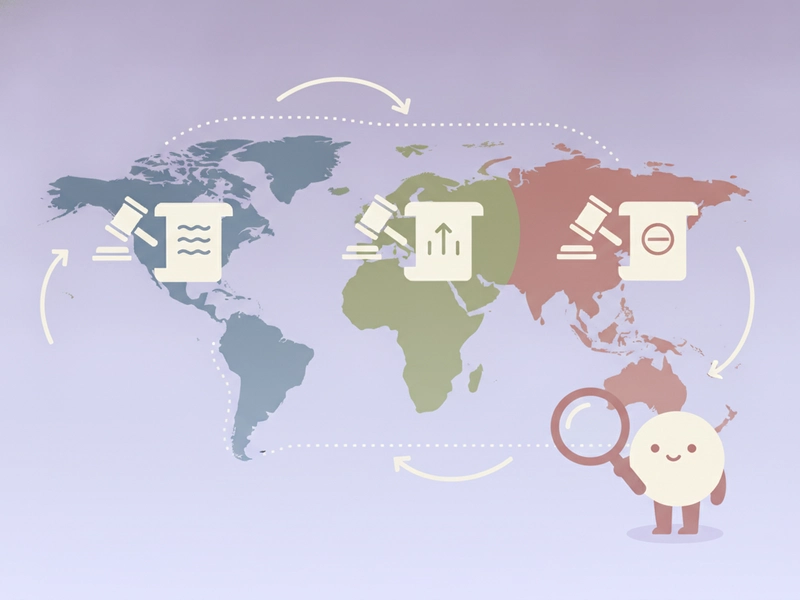
Similar English wording can have different consequences across countries, states, provinces, courts, agencies, and contract systems. Professional titles and document names also vary. A general rewrite cannot identify every governing rule from wording alone, so retain governing-law and venue clauses and confirm local terminology with an appropriately qualified professional before relying on it in a consequential matter.
Defined Terms and Cross-References Need Context
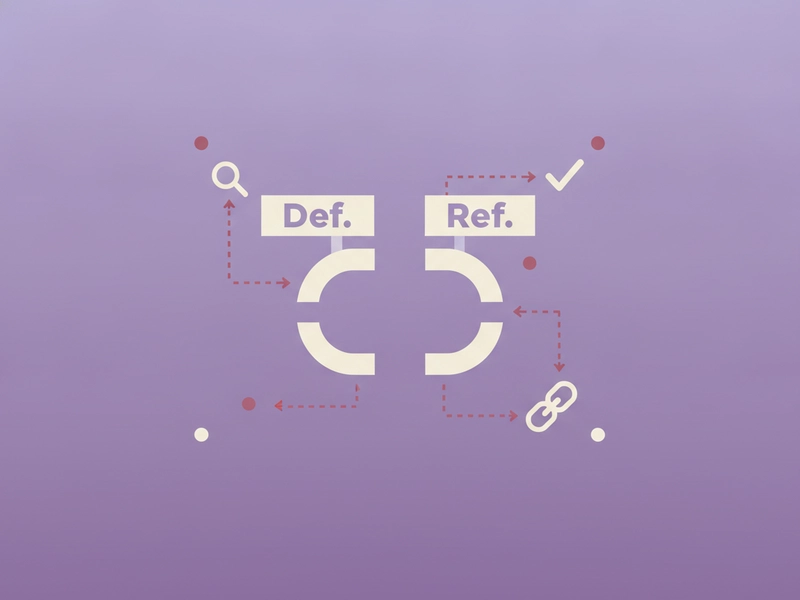
Legal documents often give capitalized terms precise definitions and connect clauses through schedules, exhibits, exceptions, and cross-references. Rewriting one sentence in isolation can hide those dependencies. Include nearby definitions and referenced provisions when asking for an explanation, then check that names, dates, amounts, conditions, exceptions, and references remain traceable to the source during a careful review.
Legalese Explainer Review Features
Two‑Panel Workflow
The source remains on the left while the proposed explanation appears on the right. This layout supports clause-by-clause checking during review, but it does not identify every omitted definition, external authority, schedule, exhibit, or jurisdictional rule.
Direction Control
This profile is intentionally one-way: it explains legalese in plain English and does not turn ordinary prose into purported legal drafting. The server selects the fixed explanatory instruction rather than accepting a user-supplied system prompt.
Copyable Text Output
The result is copyable plain text for notes and questions. Keep it visibly separate from the source, do not insert it into an agreement as approved language, and never assume copied formatting preserves legal structure or effect.
Clearly Labeled AI Draft
A persistent warning states that the result is educational and not legal advice. Rights, deadlines, filings, signatures, money, liability, and emergency matters require confirmation without delay from an appropriately qualified professional in the relevant jurisdiction.
Frequently Asked Questions
Understand the page's scope before relying on any explanation.
Explore More Translator Tools
Check out these related translation and AI tools to enhance your experience
How to Use the Legalese Explainer
Work with one short passage at a time, preserve context, and treat the output as a question-building aid rather than a legal conclusion.
Step 1: Enter Text
Paste a short excerpt within the displayed 500-character limit. Include nearby definitions when they affect meaning, but remove names, account data, privileged material, trade secrets, and other information you should not send to an online AI service.
Step 2: Translate
Select Explain to request a one-way plain-English draft. Compare the two panels and identify every duty, exception, date, amount, defined term, and cross-reference that the model preserved, changed, or omitted.
Step 3: Copy and Use
Copy the explanation only as a review note. Return to the original text and ask a qualified professional before signing, filing, paying, waiving a right, missing a deadline, or taking any other consequential action.
Review a Short Legal Passage Side by Side
Use the explanation to identify terms and questions, then return to the original wording. For rights, deadlines, liability, money, filing, signing, or disputes, obtain advice from an appropriately qualified professional.